
Best Hair Treatment in Coimbatore: How to Find the Right Option for Your Hair Loss
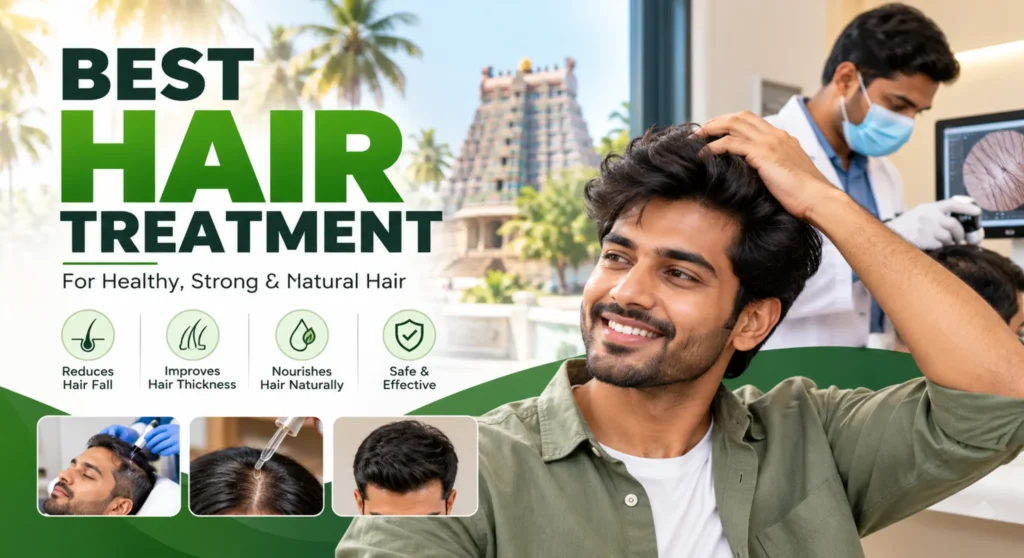
Everyone searching for the best hair treatment wants the same thing: something that actually works. But ask any experienced hair treatment doctor and you’ll hear the same honest answer. There is no single best hair treatment. There is only the treatment that fits the cause of your hair loss. A medicated shampoo that clears dandruff won’t correct hormonal thinning. PRP won’t unblock follicles clogged with sebum on its own. A hair transplant isn’t the right step while the scalp is still inflamed. Choosing well means understanding what is going on first, and then matching the treatment to it. At Keva Aesthetic Clinic in R.S. Puram, this is how we approach every patient who walks in from Gandhipuram, Peelamedu, and across Coimbatore. This guide explains how causes and treatments line up, what each option can and can’t do, and how to prepare for a consultation with a hair treatment doctor near you. Why There Is No One-Size-Fits-All Hair Treatment Hair loss is a symptom, not a diagnosis. The same visible problem, more hair in the brush or a thinner parting, can come from very different causes: Genetics and hormones (pattern hair loss) Nutritional gaps such as low iron or protein Stress, illness, surgery, or a crash diet Pregnancy and post-partum changes Scalp conditions such as dandruff, sebum buildup, or inflammation Thyroid or other hormonal imbalances Tight hairstyles that pull on the follicle Certain medications A treatment aimed at the wrong cause wastes months and sometimes lets the real problem progress. That’s why the best hair treatment always begins with a diagnosis, including a close look at the scalp and follicles through digital trichoscopy, rather than a product recommendation. Matching the Treatment to the Cause The table below is a general guide to how patterns and treatments line up. It isn’t a diagnosis, since many people have more than one cause at once. What you’re noticing Commonly linked causes Options usually considered Heavy shedding a few months after illness, childbirth, or a crash diet Temporary shedding triggered by stress on the body Correcting the trigger, nutritional support, gentle scalp care; many cases settle with time Gradual thinning at the hairline and crown, or a widening parting Inherited pattern hair loss, hormonal influence Medical management advised by a doctor, PRP, low-level laser therapy; hair transplant in suitable cases Itchy, flaky, or very oily scalp along with hair fall Dandruff, sebum buildup, follicular plugging Medicated shampoos, scalp detoxification therapy, correcting product habits Thinning along with irregular periods, weight change, or tiredness Hormonal or thyroid factors Medical evaluation and tests, treating the underlying condition alongside hair care Thinning along the hairline or temples where hair is pulled tight Traction from tight styles Changing styling habits early, scalp care; transplant only for established loss Sudden bald patches, or a smooth, shiny scalp area Needs prompt examination See a doctor early, since the cause must be identified before anything else Hair Treatment Options in Plain Language Scalp care and medicated shampoos. The foundation of good hair care. Essential when dandruff, oiliness, or irritation is involved, but not enough on its own for pattern hair loss. Scalp detoxification therapy. A clinical treatment that dissolves buildup and clears follicle openings. Useful where sebum, product residue, and dead skin are limiting healthy growth. Prescribed medication. Topical or oral treatments chosen by the doctor based on diagnosis and your health history. They work best with consistent use, and they are not something to start on your own. PRP (platelet-rich plasma) therapy. Uses your own plasma to support follicle activity in thinning areas. It is often part of a combined plan rather than a stand-alone fix. Low-level laser therapy (LLLT). A non-invasive option sometimes used alongside other treatments to support existing hair. Nutritional correction. If tests or history point to deficiencies, correcting them is often a quiet but important part of recovery. Hair transplantation (FUE and DHI). The long-term option for areas where follicles have been lost. Techniques such as DHI (Direct Hair Implantation) place grafts with precise control over angle and direction. It is considered after underlying causes and scalp health have been addressed. Why the Best Plan Is Usually a Combination Real-world hair problems rarely have a single cause, so the most effective plans usually combine approaches. For example, a patient with thinning and an oily, inflamed scalp may need scalp detoxification first, followed by medical management and PRP. Someone planning a hair transplant often continues medical treatment afterward to protect the hair that remains. A good plan is staged and reviewed. It changes as your scalp responds, rather than locking you into a fixed package on day one. What Results and Timelines to Expect Hair grows in cycles, so no treatment produces results overnight. As a general guide: Most non-surgical treatments need at least three to six months of consistent use before improvement is clearly visible. Transplanted hair grows in gradually, and full results often take close to a year. Some conditions, such as pattern hair loss, need ongoing maintenance to hold results. Be cautious of any clinic that promises guaranteed or very fast results. Honest timelines are one of the clearest signs of a reliable hair treatment doctor. Hair Treatment for Women, Including Female Hair Transplant Women’s hair loss often shows up as overall thinning or a wider parting rather than a receding hairline, and it frequently has hormonal, nutritional, or post-partum roots. That means the best hair treatment for a woman often begins with a broader evaluation, and sometimes blood tests, before any procedure is discussed. For some women, thinning remains stubborn despite proper treatment, or affects a specific area such as the hairline, parting, or a region of traction damage. In those cases, female hair transplant can be a good option, provided the donor hair is healthy and stable and the underlying cause is under control. Female hair transplant cost in India varies widely, and the main factors are: The number of grafts needed for the area being treated The technique used, such as FUE
Hair Transplant Clinic in Coimbatore: Trusted Care at Keva Hair Care

Hair loss is a common concern affecting both men and women, often impacting confidence and self-image. As a result, many people search online for a reliable Hair Transplant Clinic or the best hair clinic in Coimbatore—hoping to find expert care with proven results. Keva Hair Care is a specialized hair clinic in Coimbatore dedicated to advanced hair restoration and scalp health. With a strong focus on medical expertise, modern techniques, and personalized treatment plans, Keva Hair Care has become a trusted destination for patients seeking safe, effective, and long-lasting hair solutions. What to Look for When Choosing a Hair Transplant Clinic Selecting the right hair transplant clinic is crucial for achieving natural and successful outcomes. Patients should consider the following factors before making a decision: Key Factors to Consider Medical Expertise: Experienced doctors and trained specialists Advanced Technology: Modern transplant methods for precision and safety Clinic Hygiene & Safety: Medical-grade standards and sterile environments Transparent Consultation: Honest advice and realistic expectations A clinic that combines medical knowledge with ethical practices stands out as the best hair clinic in Coimbatore. Keva Hair Care follows these principles to ensure patient satisfaction and safety. Comprehensive Hair Services at Keva Hair Care Keva Hair Care operates as a full-service hair clinic, offering solutions for various hair and scalp concerns. Our Core Hair Care Services Hair transplant procedures Hair fall diagnosis and treatment Scalp health and restoration therapies Pre- and post-transplant care Personalized hair treatment plans By addressing both cosmetic and medical aspects of hair loss, Keva Hair Care delivers complete care under one roof, making it a preferred hair transplant clinic in Coimbatore. Advanced Hair Transplant Solutions at Our Hair Clinic Keva Hair Care specializes in advanced hair transplant procedures designed to restore natural hair growth with minimal discomfort. Conditions We Treat Male and female pattern baldness Receding hairlines Crown and frontal hair thinning Patchy or uneven hair loss Each patient undergoes a detailed consultation and scalp assessment before treatment. This tailored approach helps Keva Hair Care maintain its reputation as the best hair clinic in Coimbatore for reliable and ethical hair restoration. Why Keva Hair Care Is the Best Hair Clinic in Coimbatore Patients across Coimbatore trust Keva Hair Care for consistent results and professional care. Why Patients Choose Us Dedicated hair transplant clinic setup Experienced hair specialists and medical staff Modern equipment and advanced techniques Clean, comfortable, and patient-friendly facility High patient satisfaction and referrals Keva Hair Care focuses not just on treatment, but on long-term hair health and patient confidence. Easy Appointments & Patient-Centric Care Keva Hair Care believes every patient deserves clarity, comfort, and confidence throughout their treatment journey. We offer: Simple appointment booking One-on-one consultations Clear explanation of procedures and costs Ongoing post-treatment support Our patient-first philosophy ensures a smooth and stress-free experience from consultation to recovery. Conclusion If you are looking for a trusted hair transplant clinic or the Best Hair Clinic in Coimbatore, Keva Hair Care is your ideal choice. With expert-led treatments, modern technology, and personalized care, we help patients regain natural hair and renewed confidence. Book your consultation today, call Keva Hair Care, or visit our clinic in Coimbatore to begin your hair restoration journey. FAQs Q1. How do I choose the right hair transplant clinic?Look for experienced doctors, modern technology, transparent consultation, and proven patient results. Q2. Is hair transplant a permanent solution?Yes, when done correctly, hair transplant provides long-lasting and natural hair growth. Q3. Why is Keva Hair Care considered the best hair clinic in Coimbatore?Because of expert specialists, advanced treatments, ethical practices, and high patient satisfaction.
Hair Care Tips for Different Seasons
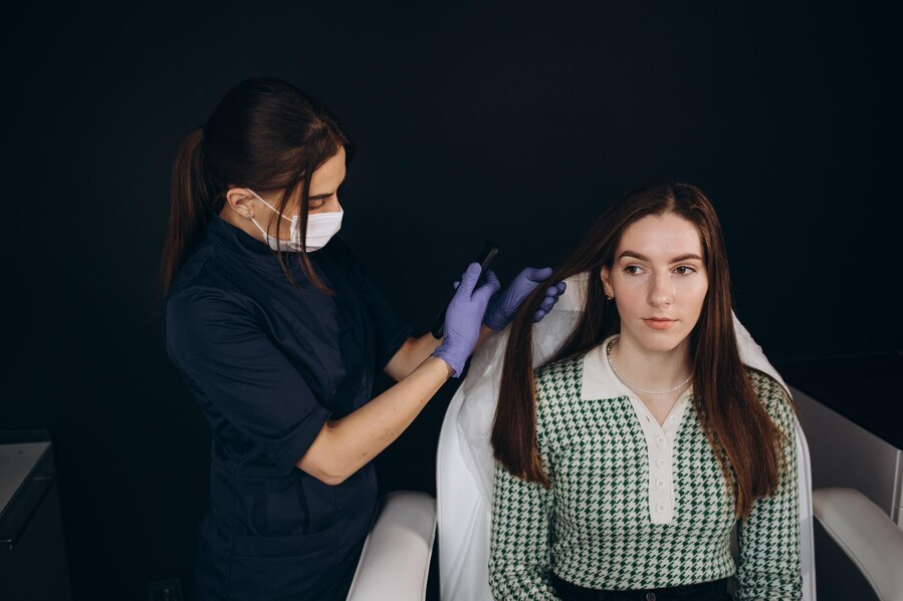
Hair Care Tips for Different Seasons Hair care needs vary with the changing seasons, as each season brings its own set of challenges. From the dry, cold air of winter to the humid, sunny days of summer, understanding how to adapt your hair care routine can make a significant difference in maintaining healthy, beautiful hair year-round. At Keva Hair Care in Coimbatore, we provide expert advice and tailored treatments to help you keep your hair in top condition regardless of the season. Here are some essential hair care tips for different seasons and treatments. Winter Hair Care Tips Winter can be particularly harsh on your hair due to the cold, dry air and indoor heating, which can strip moisture from your strands and blowouts at home. Hydrate and Moisturize: Use a deep conditioning treatment once a week to replenish moisture. Opt for a hydrating shampoo and conditioner that contains ingredients like shea butter, argan oil, and glycerin. Avoid Hot Water: Wash your hair with lukewarm water instead of hot water to prevent stripping natural oils from your scalp and hair. Limit Heat Styling: Reduce the use of heat styling tools like blow dryers, straighteners, and curling irons to prevent further drying out your hair. Protect Your Hair: Wear a hat or scarf to shield your hair from the cold wind and prevent breakage. Control Static: Use a leave-in conditioner or anti-static spray to tame static and frizz caused by dry air. Spring Hair Care Tips Spring is a time of renewal and hair growth, making it an excellent opportunity to repair any winter damage and prepare for the warmer months. Clarify and Detox: Use a clarifying shampoo once a month to remove any buildup from winter products and refresh your scalp. Trim and Nourish: Get a trim to get rid of split ends and promote healthy growth. Incorporate a lightweight, nourishing conditioner to keep your hair hydrated without weighing it down. Manage Humidity: As the weather warms up, switch to frizz-control products that help manage humidity and keep your hair smooth. UV Protection: Start using hair products with UV protection to shield your hair from the increasing sun exposure. Balanced Diet: Eat a balanced diet rich in vitamins and minerals to support healthy hair growth during this period of renewal. Summer Hair Care Tips Summer brings sun, heat, and humidity, which can lead to dry, brittle hair if not properly managed. Hydrate and Protect: Use a moisturizing shampoo and conditioner to combat dryness. Apply a leave-in conditioner or hair serum with UV protection to protect your hair from sun damage. Limit Sun Exposure: Wear a hat or use a scarf to cover your hair when spending extended periods in the sun. Rinse After Swimming: Rinse your hair with fresh water after swimming in chlorinated or salt water to prevent dryness and damage. Reduce Heat Styling: Embrace natural hairstyles and reduce the use of heat styling tools to minimize further damage from the sun and heat. Stay Hydrated: Drink plenty of water to keep your body and hair hydrated from the inside out. Autumn Hair Care Tips Autumn is a transitional season where you need to repair summer damage and prepare for the upcoming winter. Repair and Restore: Use a deep conditioning treatment to repair any damage from the summer sun, salt, and chlorine. Incorporate protein hair treatments to strengthen and restore your hair. Reduce Hair Fall: Hair tends to shed more in the fall. Use gentle, nourishing shampoos and conditioners to reduce breakage and hair fall. Moisturize: As the weather cools down, start using richer, more moisturizing hair products to combat the drying effects of the cold air. Scalp Care: Pay attention to your scalp health. Use a scalp scrub or treatment to keep your scalp clean and free from buildup. Protect Against Wind: Wear protective styles or use hair accessories to shield your hair from the harsh autumn winds. Frequently Asked Questions How often should I change my hair care routine with the seasons? It’s a good idea to evaluate and adjust your hair care routine at the start of each season to address the specific challenges each one brings. Can I use the same shampoo and conditioner year-round? While you can use the same basic products, consider adding seasonal treatments like deep conditioners, UV protectants, or clarifying shampoos to address specific needs. How can I prevent hair damage from sun exposure in the summer? Use hair products with UV protection, wear a hat, and apply a leave-in conditioner or hair serum to shield your hair from the sun. What is the best way to combat frizz in humid weather? Use anti-frizz products, avoid over-washing your hair, and incorporate a leave-in conditioner or serum to keep your hair smooth and manageable. How do I deal with static hair in the winter? Use a hydrating shampoo and conditioner, apply a leave-in conditioner or anti-static spray, and avoid synthetic materials that can increase static. Is it necessary to get a haircut at the beginning of each season? Regular trims every 6-8 weeks can help maintain healthy hair and remove split ends, making it beneficial to get a trim at the start of each season. How can I keep my hair moisturized during the dry winter months? Use a deep conditioning treatment weekly, switch to a moisturizing shampoo and conditioner, and avoid washing your hair with hot water. Can diet affect my hair health? Yes, a balanced diet rich in vitamins and minerals supports healthy hair growth. Include foods high in omega-3 fatty acids, vitamins A, C, and E, and protein for optimal hair health. What should I do if my hair becomes brittle in the summer? Use a moisturizing shampoo and conditioner, limit heat styling, and apply a hydrating hair mask or deep conditioner regularly to restore moisture. How can I protect my hair from wind damage in the autumn? Wear protective hairstyles, use hair accessories like scarves and hats, and apply leave-in conditioners or serums to shield your hair