
What Should We Know Before Getting a Haircut After a Hair Transplant?
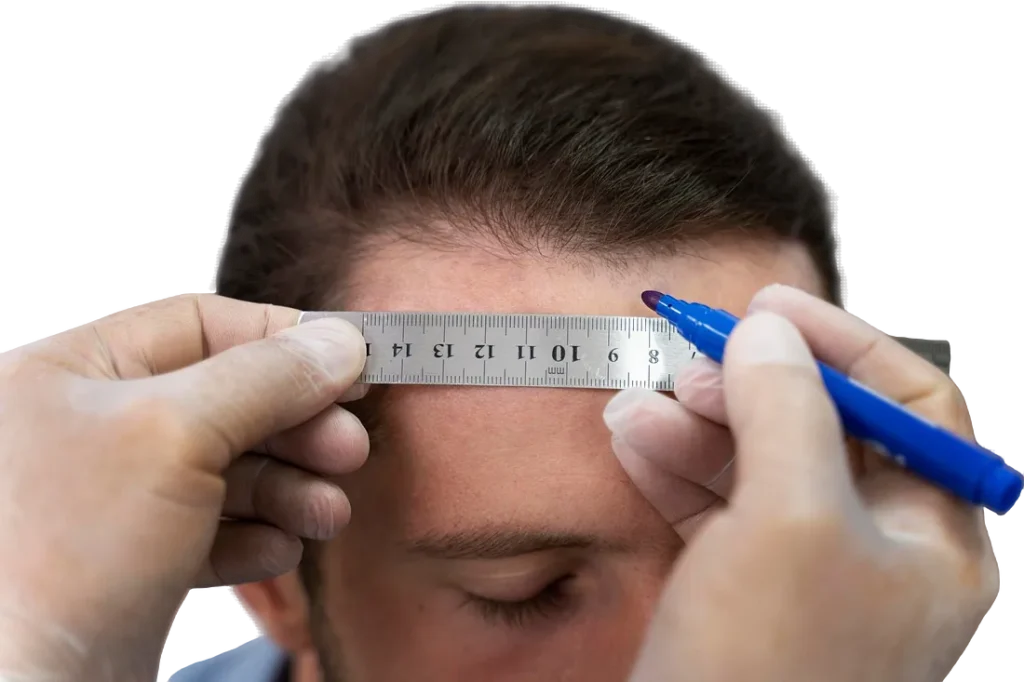
So you have just had a hair transplant and are urged to return to the barbershop. You shouldn’t feel that nervous about your first haircut after your procedure. Of course, it would seem like ages since you last set foot in that place. Be not concerned; we have some useful tips to lift all your anxieties, and your hair will be perfect. When Can You Get That Haircut? First, How long must you wait before you can get a haircut? The answer varies, making it extremely important to seek professional help from your doctor regarding the specifics. Generally, after getting treated with follicular unit extraction (FUE) or a similar hair restoration procedure, it’s recommended not to go for any hair-cutting session at the barbershop until after one month. During this time, your scalp would be healing and thus would be a little sensitive, like when you get a mild sunburn. Your doctor may prescribe special shampoo or treatments for you to help promote healing. So, be patient! You will probably want to wait until your scalp has returned to its baseline level of sensitivity before getting any haircuts. Do not forget to check in with your doctor before scheduling your first post-transplant haircut for them to clear you to return to normal grooming habits. Will the Barber Know What to Do? You’re probably wondering if your barber will know how to handle your newly transplanted hair. Good news: many barbers and stylists are familiar with working on hair that has been transplanted. Your scalp won’t look or feel much different after it heals, so you can style it just like before! If you’re feeling sensitive, don’t hesitate to let your barber know about your recent procedure. Most professionals are happy to accommodate and will take extra care to ensure your comfort during your haircut. Styling Your New Hair Once your hair grows nicely, you can style it however you like! Initially, a shorter haircut might be easier to manage, especially if you’re self-conscious about your new hair. If your hair is light, using products like mousse or volumising agents can help your hair look fuller and thicker. Don’t hesitate to ask your barber for their style and product opinions. They’re trained to give personalised advice considering your head shape, style preferences, and recent surgery. A Helping Hand If you’re still unsure about the best approach for your hair after the transplant, consider consulting a professional at Keva Hair Care. Our team specialise in hair restoration and can guide you through your options to ensure you get the best results possible. Final Thoughts Those initial visits to the barbershop will be nerve-wracking, and you will have your first few trips with hair fall, but the right amount of preparation and knowledge will give you that new look in no time! So just follow the doctor’s advice and be vocal with your barber; don’t be afraid to try out some new looks. After all, hair is the crown! Frequently Asked Questions Can you get a beard and hair transplant simultaneously? Patients interested in addressing thinning hair and poor facial hair growth should note that any grafts taken for one procedure will not be available for the other. You might need to prioritise whether you want a hair transplant or a beard transplant. What is not allowed after hair transplant? Avoid harsh products that can irritate your scalp and damage the grafts for at least the first week. Your scalp needs to heal from the surgical wounds. You should not use a hair dryer or other heat-styling tools for several weeks. This allows your scalp time to heal and the grafts to take hold fully. What can ruin a hair transplant? Common causes of implanted hair failure include improper techniques applied during the procedure and improper handling of implants. This means that the follicles might have been hurt or even killed during the operation and, therefore, cannot grow any new hair. Another cause of extreme hair loss after your procedure is ineffective aftercare. If you want to make your hair look great again, Keva Hair Care can help. We have the best treatments and give hope to many. blog Related articles
The Importance of Scalp Health and How to Improve It
Healthy hair begins with a healthy scalp. Often overlooked, scalp health is crucial for maintaining vibrant, strong, and beautiful hair. At Hair Care in Coimbatore, we emphasize the significance of scalp health and offer expert advice on how to achieve and maintain it. and products Here, we explore why scalp health is vital and provide practical tips to improve it and hair mask. Why Scalp Health Matters Foundation for Hair Growth: The scalp is the foundation from which hair grows. A healthy scalp provides the optimal environment for hair follicles to thrive, leading to stronger and more resilient hair. Nutrient Absorption: Just like skin, the scalp needs proper nutrients to function effectively. A healthy scalp can absorb and utilize nutrients better, ensuring that hair follicles receive the nourishment they need. Prevention of Hair Issues: Many common hair problems, such as dandruff, hair loss, and excessive oiliness, originate from an unhealthy scalp. Maintaining scalp health can prevent these issues and promote overall hair well-being. Comfort and Appearance: A healthy scalp is free from irritation, itching, and flaking, contributing to overall comfort and confidence. It also ensures that hair looks shiny and feels smooth. Signs of an Unhealthy Scalp Recognizing the signs of an unhealthy scalp is the first step toward improvement. Common indicators include: Itching: Persistent itching can indicate dryness, dandruff, or scalp infections. Flaking: Visible flakes, often a sign of dandruff or dry scalp, can be embarrassing and uncomfortable. Redness and Irritation: Red, inflamed skin can be caused by allergies, infections, or harsh hair products. Excess Oiliness: Overactive sebaceous glands can lead to greasy hair and scalp, often accompanied by dandruff. Hair Loss: Thinning hair or bald patches can result from an unhealthy scalp environment. How to Improve Scalp Health Improving scalp health requires a combination of proper hygiene, nutrition, and targeted treatments. Here are some practical tips: 1. Regular Cleansing Use Gentle Shampoos: Choose shampoos that are free from harsh chemicals and sulfates. Keva’s range of gentle shampoos is designed to cleanse without stripping natural oils. Avoid Over-Washing: Washing your hair too frequently can strip the scalp of essential oils, leading to dryness and irritation. Aim to wash your hair 2-3 times a week, depending on your hair type. 2. Exfoliation Scalp Scrubs: Just like your skin, your scalp benefits from exfoliation. Use a gentle scalp scrub to remove dead skin cells and product buildup. Keva’s scalp exfoliator is perfect for maintaining a clean and healthy scalp. 3. Moisturization Hydrating Products: Use moisturizing shampoos, conditioners, and leave-in treatments to keep your scalp hydrated. Keva’s hydrating hair care line is formulated to provide moisture without weighing down your hair. Natural Oils: Incorporate natural oils like coconut oil, argan oil, or jojoba oil into your routine. These oils can provide essential nutrients and moisture to the scalp. 4. Balanced Diet Nutrient-Rich Foods: A diet rich in vitamins and minerals supports scalp health. Include foods high in omega-3 fatty acids, vitamins A, C, D, E, and biotin. Fish, nuts, seeds, and leafy greens are excellent choices. Hydration: Drink plenty of water to keep your scalp and hair hydrated from within. 5. Stress Management Relaxation Techniques: Stress can impact scalp health and contribute to hair loss. Practice relaxation techniques such as meditation, yoga, and deep breathing exercises to manage stress effectively. Regular Exercise: Physical activity improves blood circulation, including to the scalp, promoting healthier hair growth. 6. Avoiding Harmful Practices Limit Heat Styling: Excessive use of heat styling tools can damage the scalp and hair. Use heat protectants and minimize the use of blow dryers, flat irons, and curling irons. Chemical Treatments: Avoid frequent chemical hair treatments like coloring, perming, and relaxing. If you must use them, ensure they are done by professionals and follow up with deep conditioning treatments. 7. Professional Scalp Treatments Scalp Massages: Regular scalp massages can stimulate blood circulation and promote hair growth. Use Keva’s hair growth serum during massages for added benefits. Consult a Specialist: If you experience persistent scalp issues, consult a dermatologist or a hair care specialist at Keva Hair Care. Professional advice and treatments can address specific concerns effectively. Keva Hair Care Products for Scalp Health At Keva Hair Care, we offer a range of hair products specifically designed to promote scalp health: Keva Dandruff Control Shampoo: Formulated to combat dandruff and soothe the scalp. Keva Argan Oil Hair Serum: Provides deep hydration and nourishment. Keva Scalp Exfoliator: Gently removes dead skin cells and buildup. Keva Hair Growth Serum: Stimulates hair follicles and promotes healthy hair growth. Keva Hydrating Conditioner: Keeps the scalp and hair moisturized without weighing it down. Conclusion Maintaining a healthy scalp is crucial for beautiful, resilient hair. By incorporating proper cleansing, hydration, a balanced diet, stress management, and avoiding harmful practices, you can significantly improve your scalp health. At Keva Hair Care in Coimbatore, we are committed to helping you achieve the best possible scalp and hair health with our specialized products and expert advice. Visit our clinic for personalized consultations and discover how we can support your journey to healthier hair and scalp. For more information and to explore our range of scalp care products, visit Keva Hair Care today. Your path to a healthy scalp and beautiful hair begins here. blog Related articles
Ultimate Guide to Choosing the Right Shampoo for Your Hair Type
Choosing the right shampoo can be a game-changer for your hair health and appearance. With the plethora of options available in the market, it’s easy to get overwhelmed. However, understanding your hair type and its specific needs can help you navigate through the choices and find the perfect match. At Keva Hair Care in Coimbatore, we specialize in personalized hair care solutions, and this guide aims to provide you with insights on selecting the right shampoo for your hair type and hair cosmetics. Understanding Your Hair Type Before diving into the world of shampoos, it’s crucial to understand your hair type. Hair types can be broadly categorized into four main groups: Straight Hair: Generally shiny and lacks curls. Wavy Hair: Falls between straight and curly hair, with a slight wave. Curly Hair: Has distinct curls and is prone to frizz. Coily Hair: Very tight curls and often appears dense and coarse. Within these categories, you may have additional concerns such as dryness, oiliness, sensitivity, or dandruff. Knowing your specific hair type and its issues will guide you in selecting the most suitable shampoo and blowouts at home. Shampoo Ingredients to Look For Different hair types benefit from different ingredients. Here’s a breakdown of what to look for based on your hair type: Straight Hair: Ingredients: Proteins (keratin, wheat protein), silicones (dimethicone), and lightweight moisturizers (aloe vera, glycerin). Purpose: To add volume, smoothness, and shine without weighing the hair down. Wavy Hair: Ingredients: Lightweight oils (argan oil, jojoba oil), hydrating agents (glycerin), and frizz control agents. Purpose: To enhance waves, provide moisture, and control frizz. Curly Hair: Ingredients: Deep moisturizers (shea butter, coconut oil), proteins, and humectants (hyaluronic acid). Purpose: To provide intense hydration, enhance curl definition, and reduce frizz. Coily Hair: Ingredients: Heavy moisturizers (shea butter, olive oil), proteins, and anti-breakage agents (biotin). Purpose: To deeply hydrate, strengthen, and prevent breakage. Common Hair Concerns and Solutions Dry Hair: Shampoo Choice: Moisturizing shampoos with ingredients like glycerin, aloe vera, and oils (argan, coconut). Benefits: These ingredients help to replenish lost moisture and add a healthy shine. Oily Hair: Shampoo Choice: Clarifying shampoos with ingredients like tea tree oil, salicylic acid, and witch hazel. Benefits: These shampoos help to balance oil production and keep the scalp clean. Dandruff: Shampoo Choice: Anti-dandruff shampoos with ingredients like zinc pyrithione, ketoconazole, and selenium sulfide. Benefits: These ingredients target the fungi causing dandruff and help to soothe the scalp. Sensitive Scalp: Shampoo Choice: Gentle shampoos with soothing ingredients like chamomile, aloe vera, and oats. Benefits: These ingredients help to calm irritation and avoid allergic reactions. How to Choose the Right Shampoo for Your Hair Finding the perfect shampoo can be a challenge, but with the right information, you can easily identify which shampoo works best for your unique hair type. Whether you have curly hair, an oily scalp, or color-treated locks, choosing the right shampoo is crucial for maintaining healthy, beautiful hair. That’s why finding the right shampoo for my hair type is essential to achieving the best possible results for your hair. Know Your Scalp Type: Your scalp condition plays a significant role in selecting the right shampoo. For example, if you have an oily scalp but dry ends, choose a balancing shampoo that can address both concerns. Avoid Harsh Ingredients: Stay away from shampoos with sulfates, parabens, alcohol & other hair cosmetics as these can strip your hair of natural oils and cause dryness and irritation. Read the Labels: Understanding the ingredients list can help you make an informed decision. Look for natural and beneficial ingredients tailored to your hair needs. Test and Observe: Sometimes, it takes a bit of trial and error to find the perfect shampoo. Observe how your hair reacts to different shampoos and adjust accordingly. Personalized Shampoo Guide: A personalized approach is the best way to start your shampoo search. Consider using a shampoo quiz that helps identify your hair type and suggests the best shampoo for your specific needs. This type of quiz takes into account your hair texture, concerns, and goals, making it easier to find the perfect match. Scientific Explanation Behind Shampoo Choices: The ingredients in your shampoo play a significant role in how well it works for your hair. For example, sulfate-free shampoos are great for curly hair, as they help prevent dryness and maintain moisture. On the other hand, shampoos with proteins are beneficial for dry hair, as they strengthen and repair damaged strands. Hair Type Guide with Shampoo Recommendations: Different hair types require different care. If you have curly hair, look for shampoos that provide moisture and reduce frizz. For oily scalp types, a clarifying shampoo can help balance oil production. For dry hair, shampoos with rich moisturizing agents are best. Color-treated hair benefits from shampoos specifically formulated to protect color and prevent fading. Benefits of Matching Shampoo to Scalp Type: Scalp health is directly linked to hair quality. If you have an oily scalp, opt for a shampoo that controls excess oil. For a sensitive scalp, choose a gentle, soothing shampoo free from harsh chemicals. Matching your shampoo to your scalp type can help maintain hair health and prevent irritation. Expert Advice Section: Hearing from experts like dermatologists or celebrity stylists can help guide your decision. Dermatologists often recommend shampoos that focus on scalp health and hair nourishment. Experts can also point out which shampoos are ideal for specific hair problems such as dandruff, thinning, or color care. Shampoo Myths Debunked: There are many myths surrounding shampoo, such as the belief that shampoo should be changed frequently or that more lather means a better shampoo. The truth is, the best shampoo for your hair type is the one that addresses your unique needs, not just one that lathers the most. Step-by-Step Guide on Shampooing: A good shampooing routine involves more than just applying shampoo. It’s important to massage the scalp gently to improve blood circulation and help the shampoo work more effectively. Avoid using too much shampoo; a small amount goes a
Hair Care Tips for Different Seasons
Hair Care Tips for Different Seasons Hair care needs vary with the changing seasons, as each season brings its own set of challenges. From the dry, cold air of winter to the humid, sunny days of summer, understanding how to adapt your hair care routine can make a significant difference in maintaining healthy, beautiful hair year-round. At Keva Hair Care in Coimbatore, we provide expert advice and tailored treatments to help you keep your hair in top condition regardless of the season. Here are some essential hair care tips for different seasons and treatments. Winter Hair Care Tips Winter can be particularly harsh on your hair due to the cold, dry air and indoor heating, which can strip moisture from your strands and blowouts at home. Hydrate and Moisturize: Use a deep conditioning treatment once a week to replenish moisture. Opt for a hydrating shampoo and conditioner that contains ingredients like shea butter, argan oil, and glycerin. Avoid Hot Water: Wash your hair with lukewarm water instead of hot water to prevent stripping natural oils from your scalp and hair. Limit Heat Styling: Reduce the use of heat styling tools like blow dryers, straighteners, and curling irons to prevent further drying out your hair. Protect Your Hair: Wear a hat or scarf to shield your hair from the cold wind and prevent breakage. Control Static: Use a leave-in conditioner or anti-static spray to tame static and frizz caused by dry air. Spring Hair Care Tips Spring is a time of renewal and hair growth, making it an excellent opportunity to repair any winter damage and prepare for the warmer months. Clarify and Detox: Use a clarifying shampoo once a month to remove any buildup from winter products and refresh your scalp. Trim and Nourish: Get a trim to get rid of split ends and promote healthy growth. Incorporate a lightweight, nourishing conditioner to keep your hair hydrated without weighing it down. Manage Humidity: As the weather warms up, switch to frizz-control products that help manage humidity and keep your hair smooth. UV Protection: Start using hair products with UV protection to shield your hair from the increasing sun exposure. Balanced Diet: Eat a balanced diet rich in vitamins and minerals to support healthy hair growth during this period of renewal. Summer Hair Care Tips Summer brings sun, heat, and humidity, which can lead to dry, brittle hair if not properly managed. Hydrate and Protect: Use a moisturizing shampoo and conditioner to combat dryness. Apply a leave-in conditioner or hair serum with UV protection to protect your hair from sun damage. Limit Sun Exposure: Wear a hat or use a scarf to cover your hair when spending extended periods in the sun. Rinse After Swimming: Rinse your hair with fresh water after swimming in chlorinated or salt water to prevent dryness and damage. Reduce Heat Styling: Embrace natural hairstyles and reduce the use of heat styling tools to minimize further damage from the sun and heat. Stay Hydrated: Drink plenty of water to keep your body and hair hydrated from the inside out. Autumn Hair Care Tips Autumn is a transitional season where you need to repair summer damage and prepare for the upcoming winter. Repair and Restore: Use a deep conditioning treatment to repair any damage from the summer sun, salt, and chlorine. Incorporate protein hair treatments to strengthen and restore your hair. Reduce Hair Fall: Hair tends to shed more in the fall. Use gentle, nourishing shampoos and conditioners to reduce breakage and hair fall. Moisturize: As the weather cools down, start using richer, more moisturizing hair products to combat the drying effects of the cold air. Scalp Care: Pay attention to your scalp health. Use a scalp scrub or treatment to keep your scalp clean and free from buildup. Protect Against Wind: Wear protective styles or use hair accessories to shield your hair from the harsh autumn winds. Frequently Asked Questions How often should I change my hair care routine with the seasons? It’s a good idea to evaluate and adjust your hair care routine at the start of each season to address the specific challenges each one brings. Can I use the same shampoo and conditioner year-round? While you can use the same basic products, consider adding seasonal treatments like deep conditioners, UV protectants, or clarifying shampoos to address specific needs. How can I prevent hair damage from sun exposure in the summer? Use hair products with UV protection, wear a hat, and apply a leave-in conditioner or hair serum to shield your hair from the sun. What is the best way to combat frizz in humid weather? Use anti-frizz products, avoid over-washing your hair, and incorporate a leave-in conditioner or serum to keep your hair smooth and manageable. How do I deal with static hair in the winter? Use a hydrating shampoo and conditioner, apply a leave-in conditioner or anti-static spray, and avoid synthetic materials that can increase static. Is it necessary to get a haircut at the beginning of each season? Regular trims every 6-8 weeks can help maintain healthy hair and remove split ends, making it beneficial to get a trim at the start of each season. How can I keep my hair moisturized during the dry winter months? Use a deep conditioning treatment weekly, switch to a moisturizing shampoo and conditioner, and avoid washing your hair with hot water. Can diet affect my hair health? Yes, a balanced diet rich in vitamins and minerals supports healthy hair growth. Include foods high in omega-3 fatty acids, vitamins A, C, and E, and protein for optimal hair health. What should I do if my hair becomes brittle in the summer? Use a moisturizing shampoo and conditioner, limit heat styling, and apply a hydrating hair mask or deep conditioner regularly to restore moisture. How can I protect my hair from wind damage in the autumn? Wear protective hairstyles, use hair accessories like scarves and hats, and apply leave-in conditioners or serums to shield your hair
