
Innovative Hair Regrowth Techniques at Keva: A Deep Dive into Our Methods

Hair loss is a common concern affecting millions of individuals worldwide. Whether caused by genetics, hormonal changes, stress, or environmental factors, the impact of hair loss on self-esteem and confidence is profound. At Keva Hair Care in Coimbatore, we are at the forefront of offering innovative and scientifically backed hair regrowth techniques. This comprehensive guide delves into the advanced methods we use to restore hair health and regrowth effectively. Understanding Hair Loss: Causes and Challenges Hair loss can manifest in various forms, including: Androgenetic Alopecia: Commonly known as male or female pattern baldness, this condition is genetic and progressive. Telogen Effluvium: Triggered by stress, illness, or hormonal fluctuations, this temporary condition causes hair thinning. Alopecia Areata: An autoimmune disorder that leads to patchy hair loss. Traction Alopecia: Caused by excessive pulling or tension on hair due to tight hairstyles. Scalp Conditions: Issues like dandruff, infections, or psoriasis can hinder hair growth. Each type of hair loss requires a customized approach, which is why our specialists at Keva begin every journey with a thorough diagnosis. Advanced Diagnostic Tools at Keva Before initiating treatment, we utilize cutting-edge diagnostic tools to understand the root cause of hair loss. Our methods include: Scalp Analysis: A detailed examination of the scalp’s health, identifying dandruff, irritation, or clogged follicles. Trichoscopy: A non-invasive procedure that magnifies the scalp and hair to detect abnormalities. Blood Tests: To evaluate underlying health conditions or nutritional deficiencies contributing to hair loss. This holistic diagnostic process ensures that each treatment plan is precisely tailored to the individual’s needs. Innovative Hair Regrowth Techniques at Keva 1. Platelet-Rich Plasma (PRP) Therapy PRP therapy is one of the most sought-after treatments for hair regrowth. The procedure involves extracting a small amount of the patient’s blood, processing it to isolate platelet-rich plasma, and injecting it into the scalp. PRP stimulates hair follicles, encouraging regrowth and improving hair density. Benefits of PRP Therapy: Enhances hair thickness and strength. Reduces hair shedding. Promotes natural-looking regrowth. Safe and minimally invasive. Our Hair PRP treatments are enhanced with growth factors to maximize results, ensuring that each session brings noticeable improvements. 2. Growth Factor Concentrate (GFC) Therapy GFC therapy is an advanced version of PRP. By isolating growth factors more precisely, GFC provides a concentrated solution to stimulate dormant hair follicles. This technique accelerates the regrowth process and offers long-lasting results. Why Choose GFC Therapy? Greater efficacy than traditional PRP. Reduced sessions required. Enhanced stimulation of hair follicles. 3. Mesotherapy Mesotherapy involves injecting a customized blend of vitamins, amino acids, and medications into the scalp. These nutrients nourish hair follicles, improve blood circulation, and promote regrowth. Key Features of Mesotherapy: Improves scalp health and hydration. Reduces hair fall effectively. Strengthens and thickens existing hair. This technique is particularly effective for individuals experiencing early-stage hair thinning. 4. Low-Level Laser Therapy (LLLT) LLLT is a non-invasive treatment that uses laser light to stimulate hair follicles. This painless procedure enhances blood flow to the scalp, encouraging the follicles to enter the growth phase. Advantages of LLLT: Promotes cell regeneration. Suitable for both men and women. Complements other hair regrowth treatments. At Keva, we combine LLLT with other therapies for a synergistic effect, ensuring optimal outcomes. 5. Hair Transplant Surgery For individuals with significant hair loss, hair transplant surgery offers a permanent solution. Our team of skilled surgeons performs advanced techniques, including: Follicular Unit Extraction (FUE): Individual hair follicles are harvested and implanted in thinning areas. Direct Hair Implantation (DHI): A more precise and minimally invasive technique that ensures natural-looking results. Why Opt for Hair Transplants at Keva? Experienced surgeons with a proven track record. Natural hairline design. High graft survival rates. 6. Scalp Micropigmentation (SMP) SMP is a cosmetic procedure that creates the illusion of fuller hair by tattooing tiny dots on the scalp. This technique is ideal for individuals who prefer non-surgical solutions or want to enhance the appearance of thinning hair. Benefits of SMP: Immediate visual improvement. Suitable for all skin types. Minimal downtime. Supporting Hair Regrowth with Holistic Care At Keva, we believe in addressing the root causes of hair loss while promoting overall hair health. Our holistic approach includes: Customized Hair Care Plans Each patient receives a tailored regimen of shampoos, conditioners, and treatments suited to their hair type and concerns. These products are formulated with natural and clinically proven ingredients to enhance results. Dietary and Lifestyle Guidance Nutrition plays a crucial role in hair health. Our experts provide dietary recommendations rich in: Proteins: For strengthening hair strands. Iron: To enhance blood circulation to the scalp. Omega-3 Fatty Acids: For maintaining scalp hydration. We also advise on stress management techniques, as chronic stress is a major contributor to hair loss. Regular Follow-Ups Consistency is key to successful hair regrowth. Our team ensures regular follow-ups to monitor progress and make adjustments to treatment plans as needed. Why Choose Keva Hair Care for Hair Regrowth? Expertise You Can Trust: Our team comprises experienced trichologists, dermatologists, and surgeons dedicated to delivering the best results. State-of-the-Art Facilities: We use the latest technology and techniques to ensure effective and safe treatments. Personalized Approach: Every treatment plan is customized to meet the unique needs of each patient. Proven Results: Our success stories speak volumes about our commitment to excellence. Real Stories, Real Results At Keva, we take pride in transforming lives through our innovative hair regrowth techniques. Our patients have experienced remarkable improvements in hair density, texture, and overall confidence. Visit our website to explore testimonials and before-and-after photos that highlight our success. Take the First Step Toward Hair Regrowth Your journey to healthier, fuller hair begins with a consultation at Keva Hair Care in Coimbatore. Whether you’re dealing with early-stage hair thinning or advanced hair loss, our team is here to help you achieve your goals. Contact us today to schedule your consultation and explore our innovative solutions. Keva Hair Care Address: No 424K, 3rd Floor, Harmony Complex, Diwan Bahadur Rd, above ICICI Bank, above Pandiyan Medicals, R.S. Puram, Coimbatore, Tamil Nadu 641002. Phone:
Managing Hair Health During Seasonal Changes: Tips from Keva Hair Care Experts

Seasonal changes can take a toll on your hair, causing issues like dryness, frizz, or excessive hair fall. At Keva Hair Care, we understand the unique challenges that each season brings and offer science-backed solutions to maintain your hair’s health and vitality. Here’s a comprehensive guide to managing hair health during seasonal transitions. Adapting Your Hair Care Routine to the Seasons Each season has its unique impact on your hair: Summer: High temperatures and UV exposure can dry out your hair, causing brittleness and split ends. Monsoon: Humidity can lead to frizz, scalp infections, and excessive oiliness. Winter: Dry air and low humidity often result in a flaky scalp and brittle strands. Adjusting your hair care routine to address these seasonal changes is key to maintaining healthy, beautiful hair. Essential Tips for Seasonal Hair Care Hydration is Crucial: Use moisturizing shampoos and conditioners to combat seasonal dryness. Protect Your Hair: Wear a hat or scarf to shield your hair from harsh weather conditions like strong sun or cold winds. Regular Trims: Trim your hair every 6-8 weeks to prevent split ends caused by seasonal damage. Oil Your Hair: A good oil massage with nourishing oils like argan or coconut can replenish lost moisture and strengthen your hair. Use Anti-Frizz Products: For humid monsoons, anti-frizz serums and leave-in conditioners are your best allies. Specialized Treatments at Keva Hair Care At Keva, we offer tailored Hair treatments to address seasonal hair concerns: Deep Conditioning Therapies: Combat dryness and restore moisture. Scalp Detox Treatments: Clear buildup and maintain scalp health during humid months. Hair Fall Control: Advanced solutions like PRP therapy or GFC therapy to reduce seasonal hair loss. Nutritional Support for Healthy Hair A balanced diet rich in vitamins A, C, D, and E, along with biotin and omega-3 fatty acids, is essential for strong and shiny hair. Our experts at Keva can provide diet recommendations tailored to your hair’s needs. Stay Ahead of Seasonal Hair Challenges Regular check-ups with Keva Hair Care ensure that your hair stays in optimal health throughout the year. Our expert team uses advanced diagnostic tools to identify issues early and provide effective solutions. Book Your Consultation with Keva Hair Care Address seasonal hair challenges confidently with our personalized care and treatments. Visit Keva Hair Care in Coimbatore and take the first step towards year-round hair health. Keva Hair Care Address: No 424K, 3rd Floor, Harmony Complex, Diwan Bahadur Rd, above ICICI Bank, above Pandiyan Medicals, R.S. Puram, Coimbatore, Tamil Nadu 641002.Phone: +91 95855 25905Website: https://kevahaircare.com Frequently Asked Questions How can I prevent hair fall during seasonal transitions? Seasonal transitions can cause temporary hair fall due to environmental stress. You can prevent this by using a mild, strengthening shampoo, staying hydrated, and avoiding excessive heat styling. Regular hair fall treatments at Keva Hair Care can also help mitigate the issue. What is the best way to deal with scalp dryness in winter? To combat winter dryness, apply a nourishing hair oil before washing your hair and use a deep conditioning mask once a week. Keva’s scalp hydration treatments are designed to restore moisture and keep your scalp healthy. Can monsoon humidity lead to scalp infections? Yes, excessive humidity can increase scalp oiliness, leading to infections. Use an anti-dandruff shampoo, maintain scalp cleanliness, and consider a scalp detox treatment at Keva Hair Care to prevent infections during the monsoon. blog Related articles
What to Expect During Your First Hair Consultation at Keva Clinic Coimbatore

Embarking on your hair care journey can feel like stepping into the unknown. Whether you’re dealing with hair loss, dandruff, or simply seeking to enhance your hair health, your first consultation is a crucial step. At Keva Hair Care, we prioritize a personalized and science-backed approach to help you achieve your hair goals. Here’s what you can expect during your first visit to our clinic in Coimbatore. A Warm Welcome and Relaxed Environment Upon arrival at Keva Clinic, you’ll be greeted by our friendly team in a calm and welcoming atmosphere. We understand that discussing hair concerns can be sensitive, so our focus is on creating a comfortable environment where you feel at ease. Detailed Consultation with an Expert Your consultation begins with a one-on-one discussion with our experienced hair care specialists. We’ll take the time to understand your: Hair concerns (e.g., thinning, dandruff, breakage) Medical history, including any conditions or treatments Lifestyle and hair care routine Goals and expectations This comprehensive discussion allows us to tailor our recommendations to your unique needs. Advanced Scalp and Hair Analysis Next, we use state-of-the-art diagnostic tools to assess the condition of your scalp and hair. This analysis includes: Scalp Examination: Identifying signs of dandruff, irritation, or underlying conditions. Hair Strand Analysis: Evaluating the strength, texture, and overall health of your hair. Oil and Moisture Levels: Determining the balance required for optimal scalp health. Our advanced tools provide a clear picture of your hair’s condition, helping us identify the root causes of any issues. Customized Treatment Plan Based on your consultation and analysis, our experts will design a personalized treatment plan. This plan may include: Therapeutic Treatments: Options like PRP therapy, GFC therapy, or dandruff management treatments. Home Care Recommendations: Tailored advice on shampoos, conditioners, and styling products suitable for your hair type. Lifestyle Tips: Suggestions to enhance your hair health through diet, stress management, and routine care. Open Discussion and Q&A We encourage you to ask questions and share any concerns during your consultation. Our specialists are here to provide clarity and ensure you’re fully informed about your treatment options and expected outcomes. Why Choose Keva Clinic Coimbatore? Expertise You Can Trust: Our team consists of experienced professionals dedicated to hair care excellence. Cutting-Edge Technology: We stay updated with the latest advancements to provide the best care possible. Holistic Approach: At Keva, we believe in addressing the root causes of hair concerns for long-term results. Book Your Consultation Today Your first hair consultation is the start of a journey toward healthier, more vibrant hair. At Keva Hair Care in Coimbatore, we’re committed to supporting you every step of the way. Contact us today to schedule your consultation and take the first step toward your hair goals. Keva Hair CareAddress: No 424K, 3rd Floor, Harmony Complex, Diwan Bahadur Rd, above ICICI Bank, above Pandiyan Medicals, R.S. Puram, Coimbatore, Tamil Nadu 641002.Phone: +91 95855 25905Website: https://kevahaircare.com Frequently Asked Questions What is the success rate of hair transplants at Keva Hair Care? Our hair transplant procedures have a high success rate, thanks to our skilled surgeons and advanced techniques. We aim to provide natural and long-lasting results. How long does it take to recover from a hair transplant? Recovery typically takes 7–10 days, but most patients can resume regular activities within a few days. We provide comprehensive post-care instructions to ensure smooth healing. Is a hair transplant permanent? Yes, hair transplants provide permanent results as the transplanted hair follicles are resistant to hair loss. However, maintaining healthy hair requires proper care. Are there any side effects of hair transplant procedures? Minor side effects such as swelling or redness may occur but subside within a few days. Our team ensures the procedure is safe and minimally invasive. How do I book a consultation at Keva Hair Care? You can book a consultation by calling us at +91 95855 25905 or visiting our website at https://kevahaircare.com. blog Related articles
The Latest Research in Dandruff Treatment: How Keva Stays Ahead of the Curve
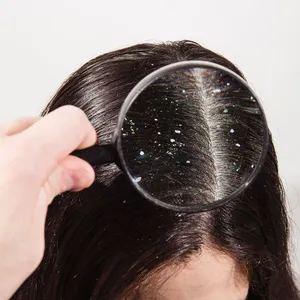
Dandruff is a widespread scalp condition affecting millions globally. Characterized by itching, flaking, and irritation, dandruff can be a persistent problem impacting not only physical comfort but also self-esteem. With advancements in dermatological research, modern dandruff treatments have evolved to address its root causes more effectively and provide long-term relief. At Keva Hair Care, we pride ourselves on incorporating the latest scientific breakthroughs to deliver cutting-edge solutions for dandruff management. In this blog, we explore the latest research in dandruff treatment and how Keva is leading the way in innovative care. Understanding the Root Causes of Dandruff Dandruff is primarily caused by a combination of factors, including: Malassezia Fungus Overgrowth: A naturally occurring yeast on the scalp that can trigger irritation and flaking when its growth becomes uncontrolled. Sebum Imbalance: Excess oil production can provide an ideal environment for the fungus to thrive. Scalp Sensitivity: Some individuals have a heightened sensitivity to byproducts of Malassezia metabolism, leading to inflammation and flaking. Environmental and Lifestyle Factors: Stress, pollution, and improper hair care can exacerbate dandruff symptoms. By addressing these underlying causes, modern treatments aim to provide both immediate relief and long-term scalp health. Emerging Technologies and Innovations in Dandruff Treatment Advanced Antifungal Formulations Overview: The cornerstone of dandruff treatment remains antifungal agents like ketoconazole, selenium sulfide, and zinc pyrithione. Recent advancements focus on enhancing the delivery mechanisms to improve efficacy and reduce side effects. How It Works: These agents inhibit the growth of Malassezia, restoring the scalp’s natural microbial balance. What’s New: Nano-encapsulation technology is being used to deliver active ingredients directly to affected areas, ensuring prolonged action and minimal irritation. Keva’s Approach: Our treatments incorporate clinically proven antifungals, enhanced by cutting-edge delivery systems to maximize effectiveness while maintaining scalp health. Microbiome Restoration Therapy Overview: Emerging research highlights the importance of maintaining a balanced scalp microbiome—the community of microorganisms living on the scalp—to prevent dandruff recurrence. How It Works: Probiotic and prebiotic ingredients are used to nurture beneficial microbes while suppressing the growth of harmful ones. Advantages: Microbiome-focused treatments not only address dandruff but also improve overall scalp health, reducing sensitivity and inflammation. Keva’s Edge: Our products are enriched with microbiome-friendly ingredients, promoting a healthy scalp environment naturally. Plant-Based and Natural Remedies Overview: There is growing interest in harnessing the power of natural ingredients like tea tree oil, aloe vera, and neem, which have antifungal and soothing properties. How It Works: These ingredients help to reduce inflammation, soothe irritation, and combat fungal overgrowth without the use of harsh chemicals. Emerging Trends: Advanced extraction techniques ensure higher potency and purity of these natural actives, improving their therapeutic benefits. Keva’s Innovation: We combine the wisdom of traditional remedies with modern science, ensuring that our natural formulations deliver measurable results. Low-Level Light Therapy (LLLT) for Scalp Health Overview: Low-level laser therapy is a non-invasive treatment gaining popularity for its ability to improve scalp circulation and reduce inflammation. How It Works: By stimulating blood flow and collagen production, LLLT helps to rejuvenate the scalp and reduce dandruff symptoms. What’s Next: Combining LLLT with topical treatments could enhance their absorption and effectiveness. Keva’s Vision: We are exploring the integration of LLLT into our treatment protocols for a holistic approach to scalp health. Customized Scalp Care Regimens Overview: Personalization is a key trend in modern dermatology. Advanced diagnostic tools allow for tailored treatments based on an individual’s scalp condition, hair type, and lifestyle factors. How It Works: Scalp analysis systems assess parameters like oil production, pH levels, and microbial composition to recommend bespoke solutions. Keva’s Commitment: We offer personalized consultations to create customized care plans that address the unique needs of each client. The Future of Dandruff Treatment The field of dandruff research is evolving rapidly, with promising developments on the horizon: Gene Therapy: Early-stage research is exploring the possibility of targeting specific genes involved in sebaceous gland activity and scalp sensitivity. AI-Driven Diagnostics: Artificial intelligence could revolutionize scalp analysis, offering precise recommendations for treatment based on real-time data. Combination Therapies: Integrating multiple treatment modalities, such as antifungals, probiotics, and LLLT, is expected to provide superior outcomes. Why Choose Keva Hair Care? At Keva Hair Care, we stay at the forefront of innovation to ensure our clients receive the best possible care. Our commitment to excellence is reflected in: Scientifically Backed Treatments: We utilize the latest research and technologies to deliver effective solutions. Personalized Care: Every client receives a tailored treatment plan designed to address their specific concerns. Expert Team: Our experienced professionals are dedicated to helping you achieve optimal scalp health and confidence. Take the First Step Toward a Healthier Scalp Don’t let dandruff hold you back. With Keva Hair Care, you can enjoy the benefits of cutting-edge treatments that deliver real results. Contact us today to schedule a consultation and discover how we can help you achieve a dandruff-free, healthy scalp. Keva Hair Care Address: No 424K, 3rd Floor, Harmony Complex, Diwan Bahadur Rd, above ICICI Bank, above Pandiyan Medicals, R.S. Puram, Coimbatore, Tamil Nadu 641002.Phone: +91 95855 25905Website: https://kevahaircare.com Frequently Asked Questions What is the success rate of hair transplants at Keva Hair Care? Our hair transplant procedures have a high success rate, thanks to our skilled surgeons and advanced techniques. We aim to provide natural and long-lasting results. How long does it take to recover from a hair transplant? Recovery typically takes 7–10 days, but most patients can resume regular activities within a few days. We provide comprehensive post-care instructions to ensure smooth healing. Is a hair transplant permanent? Yes, hair transplants provide permanent results as the transplanted hair follicles are resistant to hair loss. However, maintaining healthy hair requires proper care. Are there any side effects of hair transplant procedures? Minor side effects such as swelling or redness may occur but subside within a few days. Our team ensures the procedure is safe and minimally invasive. How do I book a consultation at Keva Hair Care? You can book a consultation by calling us at +91 95855 25905 or visiting our website
Exploring Emerging Technologies and Advancements in Hair Transplant Procedures
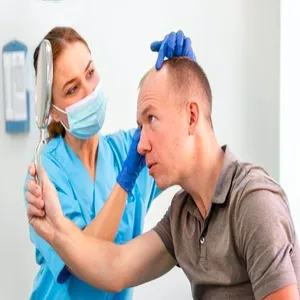
Hair loss is a common concern that affects millions of people worldwide. With advancements in medical technology, hair transplant procedures have evolved significantly over the years. Gone are the days of unnatural, noticeable hair transplants. Today, the focus is on making hair restoration as natural, efficient, and minimally invasive as possible. In this blog, we will explore the latest emerging technologies and advancements in hair transplant procedures that are shaping the future of hair restoration. 1. Robotic Hair Transplants: Precision and Automation Overview: Robotic technology has revolutionized various medical fields, and hair restoration is no exception. Robotic-assisted hair transplants, such as the ARTAS Robotic System, use advanced imaging and artificial intelligence to extract and transplant hair follicles with incredible precision. How It Works: The robotic system automates the follicle extraction process using a high-definition camera and a sophisticated algorithm to identify and select the healthiest hair follicles. It then uses a robotic arm to remove the follicle from the donor area and transplant it to the thinning or balding areas. Advantages: Precision and Accuracy: Robotic systems reduce the human error factor, ensuring a higher degree of accuracy in graft placement and follicle extraction. Faster Recovery: As robotic procedures are minimally invasive, patients tend to recover more quickly compared to traditional methods. Minimal Scarring: The automated process minimizes the damage to surrounding tissue, reducing scarring and ensuring a more natural-looking result. 2. Stem Cell and Hair Cloning Technology Overview: Stem cell therapy and hair cloning are groundbreaking advancements that hold the promise of transforming the hair restoration process. Stem cells have the ability to regenerate and repair tissues, including hair follicles. How It Works: In hair cloning, scientists extract healthy hair follicles from the patient, isolate stem cells from them, and cultivate new hair follicles in a laboratory. These new follicles can then be implanted into areas affected by hair loss. What’s Next: Currently, stem cell treatments are in the experimental stages, but as the technology matures, it may allow for an unlimited supply of new hair follicles, which could eliminate the need for donor hair. Advantages: Unlimited Hair Supply: Stem cell therapy could potentially create a virtually endless number of hair follicles, addressing the most severe cases of hair loss. Regeneration of Damaged Follicles: Stem cells can help regenerate damaged or dormant hair follicles, encouraging natural hair growth. Permanent Solution: Hair cloning has the potential to offer long-term, permanent solutions for hair loss. 3. Platelet-Rich Plasma (PRP) Therapy: Enhancing Growth Factors Overview: Platelet-Rich Plasma (PRP) therapy has become a popular non-surgical treatment for hair regrowth. The procedure involves extracting a patient’s blood, processing it to concentrate the platelets, and then injecting the plasma into the scalp to stimulate hair follicles. How It Works: PRP therapy stimulates hair growth by delivering growth factors directly to the scalp. These growth factors can help rejuvenate hair follicles, encourage dormant follicles to regrow hair, and improve the overall thickness and quality of existing hair. Emerging Trends: Advancements in PRP technology aim to increase the efficiency of platelet extraction and enhance the therapeutic benefits. The future of PRP therapy may involve using more sophisticated techniques to isolate specific proteins or growth factors that encourage hair regrowth. Advantages: Minimally Invasive: PRP therapy is a non-surgical, relatively quick treatment with little to no downtime. Natural Regrowth: As PRP uses the patient’s own blood, the risk of allergic reactions or rejection is eliminated. Enhances Transplant Results: PRP therapy can be used in conjunction with hair transplant surgery to improve graft survival rates and enhance overall hair growth. 4. AI-Driven Hair Restoration Planning Overview: Artificial Intelligence (AI) is making waves across numerous industries, and hair restoration is no exception. AI is being used to analyze hair loss patterns, recommend personalized treatments, and assist surgeons during procedures. How It Works: AI-powered systems can evaluate the patient’s scalp, analyze the health of their hair follicles, and predict the progression of hair loss. By using this data, AI can help surgeons plan the most effective treatment, from the number of grafts to the optimal areas for hair extraction. What’s Next: AI systems are expected to become more advanced, offering real-time data analysis during surgeries. AI may even automate graft placement, optimizing the distribution of hair follicles for the most natural look. Advantages: Personalized Treatment: AI allows for a more customized approach to hair restoration based on individual hair loss patterns. Faster and More Accurate Planning: AI can significantly reduce the time needed for treatment planning and improve the overall accuracy of the procedure. Better Results: AI can ensure that each follicle is placed in the most optimal position for natural-looking results. 5. Microneedling and Laser Therapy: Non-Invasive Hair Regrowth Overview: Microneedling and low-level laser therapy (LLLT) are non-surgical treatments that have gained popularity in recent years for promoting hair regrowth. Both techniques stimulate hair follicles to promote natural hair growth by enhancing blood flow and encouraging collagen production in the scalp. How It Works: Microneedling: Tiny needles are used to create micro-injuries in the scalp, which stimulates healing and promotes hair regrowth. Laser Therapy: Low-level lasers are applied to the scalp to increase blood flow and encourage the growth of hair follicles. Emerging Trends: The future of microneedling and laser therapy lies in their combination with other treatments like PRP or stem cell therapy. These combined treatments could provide a more effective solution to hair loss and speed up the recovery process. Advantages: Non-Surgical: Both treatments are non-invasive and require minimal downtime. Safe for All Hair Types: Microneedling and laser therapy are safe and effective for various hair types and stages of hair loss. Complementary Treatments: These therapies can be used alongside hair transplants to improve overall results. 6. Scalp Micropigmentation (SMP): The Art of Illusion Overview: Scalp Micropigmentation (SMP) is a cosmetic procedure that involves applying tiny, tattoo-like dots to the scalp to mimic the appearance of hair follicles. While it does not involve hair regrowth, it is an excellent option for individuals with thinning hair who want to achieve
Future Trends in Hair Transplant Technology: A Glimpse into the Next Era of Hair Restoration
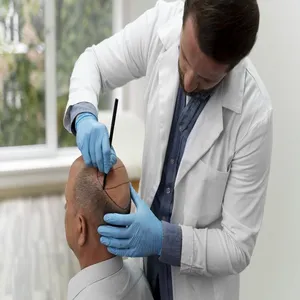
Hair restoration has come a long way in the past few decades. What was once considered a luxury for the wealthy is now accessible to many people struggling with hair loss. With advancements in technology and technique, the future of hair transplants promises to be even more groundbreaking. As we move toward more refined, precise, and patient-friendly procedures, several trends are poised to shape the future of hair restoration. In this blog, we’ll take a look at some of the most exciting developments in hair transplant technology. 1. Robotic Hair Transplants: Precision at Its Best Trend Overview: One of the most revolutionary advancements in hair transplant technology is the rise of robotic-assisted procedures. Robotic systems, such as the ARTAS Robotic System, have already made their mark in the field by improving the accuracy, speed, and effectiveness of hair transplant surgeries. What’s Next: In the future, we can expect even more refined robotic systems capable of performing Follicular Unit Extraction (FUE) with a level of precision that surpasses human ability. These systems will be able to automate hair follicle extraction, placement, and grafting with less human intervention, resulting in minimal scarring and faster recovery times. Benefits: Highly accurate follicle extraction without damaging surrounding hair. Reduced risk of human error. Faster procedures with minimal downtime. 2. Stem Cell and Hair Cloning Technology Trend Overview: Stem cell research has opened up new possibilities for hair regeneration. In the past, stem cell-based treatments have shown promise in stimulating dormant hair follicles and promoting regrowth in thinning areas. What’s Next: One of the most exciting possibilities is hair cloning, where scientists extract hair follicles from a patient, grow them in a lab, and then implant them back into the scalp. Although this technology is still in its experimental stages, it holds immense potential for creating a virtually unlimited supply of hair for transplant. Benefits: Potential for an endless supply of hair follicles. More natural and permanent results. Can address more extensive hair loss. 3. Platelet-Rich Plasma (PRP) Therapy: Enhanced Growth Factors Trend Overview: PRP therapy (Platelet-Rich Plasma therapy) has already gained popularity as a non-surgical method for stimulating hair growth. This involves drawing the patient’s blood, processing it to concentrate the platelets, and injecting it back into the scalp to encourage hair regrowth. What’s Next: In the future, PRP therapy will likely become even more effective, with advancements in the preparation and application of plasma. New technologies may allow for a more targeted and controlled release of growth factors, potentially enhancing hair regrowth and even improving the overall success of hair transplants when used in combination with traditional methods. Benefits: Non-surgical, with minimal downtime. Can improve hair transplant success. Stimulates natural hair growth. 4. Artificial Intelligence (AI) in Hair Restoration Trend Overview:Artificial intelligence (AI) is transforming a wide range of industries, and hair restoration is no exception. AI can now help in analyzing a patient’s scalp and hair characteristics, predict hair loss patterns, and recommend personalized treatment plans. What’s Next: In the future, AI could play a major role in both pre-operative planning and post-operative care. AI-driven algorithms will help surgeons make more precise decisions regarding the number of grafts required, the best donor areas for follicles, and even help monitor the healing process after surgery. Additionally, AI-powered apps might allow patients to track their progress and results over time, offering personalized care and advice. Benefits: More accurate treatment planning and graft placement. Personalized care based on individual characteristics. Enhanced post-operative monitoring and recovery. 5. 3D Printing for Hair Restoration Trend Overview: 3D printing technology has already revolutionized several industries, and it’s now making its way into the hair restoration field. In the future, 3D printing could be used to create custom hair implants or even 3D-printed scalp tissue for transplantation. What’s Next: As the technology develops, we may see 3D printers capable of creating hair follicles that perfectly match the patient’s natural hair texture and color. This could lead to highly personalized and seamless hair transplants, with results that are even more natural than what is possible today. Benefits: Personalized hair implants tailored to each patient’s needs. Seamless integration with natural hair. Potential for better graft survival rates and less rejection. 6. Non-Invasive Hair Restoration: Laser Therapy and Microneedling Trend Overview: Non-invasive treatments like laser therapy and microneedling have already shown potential in helping with hair regrowth. Laser therapy uses low-level lasers to stimulate hair follicles, while microneedling involves tiny needles creating micro-injuries in the scalp to trigger healing and hair growth. What’s Next: In the future, we can expect more advanced, targeted non-invasive treatments that are customized to each individual’s unique hair loss pattern. These therapies may be combined with other techniques such as PRP or stem cell injections to enhance results without the need for surgery. Benefits: Non-surgical and low-risk. Can complement other hair restoration treatments. Convenient and quick recovery. 7. Hair Restoration for Women: Focused Solutions Trend Overview: While hair restoration procedures have primarily focused on men, there is growing recognition of the need for specialized treatments for women. Women’s hair loss patterns differ from men’s, and treatments need to be tailored accordingly. What’s Next: In the future, there will likely be more advancements in hair transplant technology designed specifically for women. This includes techniques for tackling diffuse thinning and options for women with high-functioning hair follicles. Additionally, non-invasive treatments such as scalp micropigmentation could gain popularity as solutions to camouflage hair thinning in women. Benefits: Tailored treatments for women’s unique hair loss patterns. Less invasive options for women. Increased confidence for women struggling with hair loss. Conclusion: A Bright Future for Hair Restoration As we look toward the future of hair transplant technology, one thing is clear: the industry is on the brink of major breakthroughs. From robotic-assisted procedures to stem cell research and personalized AI treatments, the future promises to make hair restoration more effective, accessible, and less invasive than ever before. These advancements will not only benefit those suffering from hair loss but also pave the way
Celebrity Hair Transplants: Famous Cases and Transformations
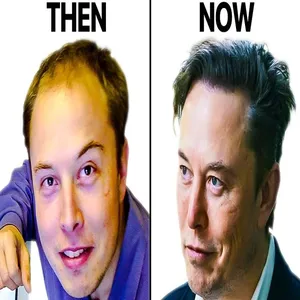
Hair loss is a common issue that affects millions of people worldwide, including many celebrities. However, the stigma around hair restoration has significantly decreased over the years, with more public figures openly embracing hair transplant procedures. These transformations not only boost their confidence but also show the effectiveness of modern hair restoration techniques. In this blog, we’ll explore some famous celebrity hair transplants and the transformations that have captivated fans and followers alike. 1. Wayne Rooney – A Bold Move in the Spotlight Celebrity: Wayne Rooney, former English footballer Transformation: Wayne Rooney made headlines in 2011 when he openly admitted to undergoing a hair transplant procedure. At the time, he was struggling with receding hairlines and thinning hair. He decided to take action and underwent a FUT (Follicular Unit Transplantation) procedure, with the results being quite dramatic. Rooney’s decision to publicly share his journey helped normalize hair restoration procedures. His full head of hair now looks natural and thick, making it one of the most talked-about celebrity hair transformations. Why It’s Famous: Rooney’s openness about his hair transplant helped break the taboo around hair restoration. His candidness encouraged many men to consider hair transplants without feeling self-conscious. 2. Elon Musk – Tech Giant’s Hair Revival Celebrity: Elon Musk, CEO of Tesla and SpaceX Transformation: Known for his groundbreaking work in the tech industry, Elon Musk has also made headlines for his hair restoration journey. Over the years, many fans noticed a drastic improvement in Musk’s hairline. Although Musk never openly confirmed undergoing a hair transplant, before-and-after photos of him indicate that he likely had FUE (Follicular Unit Extraction) surgery to restore his hair. His results are subtle yet effective, contributing to his youthful appearance. Why It’s Famous: Musk’s transformation was not as publicized as others, but it sparked widespread interest in celebrity hair transplants. His transformation is a testament to how FUE can create natural results without the need for invasive procedures. 3. John Travolta – From Balding to Full Head of Hair Celebrity: John Travolta, actor and singer Transformation: John Travolta has been a prominent figure in Hollywood for decades, and his hair loss has been a part of his journey. In the 1990s, Travolta’s thinning hairline became noticeable, and he resorted to hairpieces for some time. However, in the 2000s, he began showing signs of hair restoration. Travolta has been rumored to have undergone multiple hair transplants over the years, contributing to his gradual return to a thicker, fuller head of hair. Why It’s Famous: Travolta’s transformation is a prime example of the long-term benefits of hair transplants. His choice to go for hair restoration after years of using wigs shows that the procedure can offer permanent and more natural solutions compared to temporary hairpieces. 4. Gordon Ramsay – Chef’s Crowning Glory Celebrity: Gordon Ramsay, celebrity chef Transformation: Gordon Ramsay, known for his fiery temper and Michelin-starred restaurants, has been very open about his hair loss journey. The celebrity chef was seen with a receding hairline and thinning hair for years. However, in recent years, Ramsay revealed that he had undergone hair transplant surgery to restore his hairline. He opted for FUE, which resulted in a much fuller, thicker look. Ramsay’s transformation has been praised for its natural appearance, enhancing his youthful look without being too obvious. Why It’s Famous: Ramsay’s decision to share his hair transplant story made it clear that even high-profile individuals are not immune to hair loss. His transformation highlights the versatility and natural results that modern hair restoration techniques can offer. 5. Matthew McConaughey – Subtle Transformation, Big Impact Celebrity: Matthew McConaughey, actor Transformation: Matthew McConaughey has always been known for his charm and good looks, but in the early stages of his career, he experienced noticeable hair thinning. Over time, McConaughey’s hairline appeared fuller, which led to speculation about a hair transplant. Although he hasn’t confirmed undergoing the procedure, it is widely believed that he underwent a hair restoration treatment to maintain his youthful look. Why It’s Famous: McConaughey’s transformation is a great example of subtle yet noticeable results. His hair appears thicker and fuller, yet it blends seamlessly with his natural growth, demonstrating how effective hair transplants can be in creating a natural look. 6. Matt LeBlanc – From Receding to Restored Celebrity: Matt LeBlanc, actor (known for his role as Joey Tribbiani on Friends) Transformation: Matt LeBlanc’s hairline was often a topic of discussion during his Friends years, as he was seen battling the effects of male pattern baldness. Over the years, LeBlanc’s hairline appeared to improve significantly, leading many to believe he had undergone a hair transplant. The results were subtle but gave him a more youthful appearance, helping him maintain his image as a Hollywood heartthrob. Why It’s Famous: LeBlanc’s transformation was so subtle that it became a perfect example of how natural hair transplants can be. His hair restoration didn’t drastically alter his look but enhanced it enough to make a noticeable difference in his overall appearance. Why Celebrities Are Turning to Hair Transplants Celebrities are often under the spotlight and expected to maintain a youthful, fresh appearance. Hair loss can affect their self-esteem, especially when their looks play a significant role in their career. Hair transplants provide a permanent, natural solution that helps celebrities regain confidence without the need for wigs or hairpieces. Furthermore, the rising awareness and improved techniques have made hair transplants more accessible, even for individuals with high public profiles. Celebrities like Wayne Rooney and Gordon Ramsay have shown that hair restoration is not just for those struggling with extreme hair loss but for anyone looking to boost their self-esteem. Conclusion Celebrity hair transplants have broken down the stigma surrounding the procedure and proven that it is a viable solution for those dealing with hair loss. From football stars to actors, these transformations have not only restored confidence but have also shown the world that hair restoration can be discreet, effective, and life-changing. If you’re considering a hair transplant, you’re not alone—celebrities,
Hair Transplant Cost: What to Expect and Financing Options
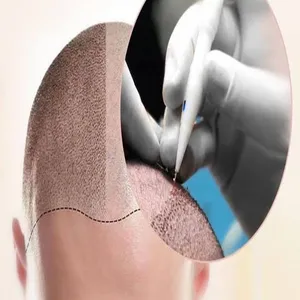
Hair transplants have become an increasingly popular solution for individuals seeking to restore their hair and boost their confidence. However, one of the most common concerns for prospective patients is the cost of the procedure. The price of a hair transplant can vary based on several factors, including the technique used, the extent of hair loss, and the expertise of the surgeon. In this blog, we’ll explore what to expect in terms of hair transplant cost and provide insight into financing options that can make this life-changing procedure more accessible. Factors That Influence Hair Transplant Cost The cost of a hair transplant is not a one-size-fits-all figure. Several variables contribute to the price of the procedure. Here’s what you can expect to impact the cost: 1. Type of Procedure There are two main hair transplant techniques: Follicular Unit Transplantation (FUT): In this procedure, a strip of scalp is removed from the donor area, and hair follicles are extracted and transplanted into the thinning or balding areas. FUT is typically more affordable due to its less complex nature, but it can leave a linear scar. Follicular Unit Extraction (FUE): This technique involves extracting individual hair follicles from the donor area and transplanting them one by one. FUE is minimally invasive, requires more precision, and is usually more expensive than FUT. 2. Extent of Hair Loss The degree of hair loss and the number of grafts required will significantly affect the cost. A person with significant baldness or thinning may need more grafts, leading to a higher cost. 3. Surgeon’s Expertise The experience and reputation of the surgeon can also influence the price. Highly experienced surgeons with a proven track record of successful outcomes may charge more for their services. 4. Clinic Location The geographical location of the clinic plays a role in pricing. Clinics located in major cities or countries with a high cost of living often charge more for the procedure. 5. Additional Costs Additional factors such as post-transplant medications, follow-up appointments, and travel expenses (for out-of-town patients) may contribute to the overall cost of the procedure. What Is the Average Cost of a Hair Transplant? The cost of a hair transplant can vary widely depending on the factors mentioned above. On average, in India, the cost for hair transplant procedures typically ranges from: ₹40,000 to ₹1,50,000 for FUT ₹60,000 to ₹2,50,000 for FUE In countries with higher living costs like the USA or the UK, the prices can range from $4,000 to $15,000 or more, depending on the extent of the transplant and the clinic’s location. While these numbers may seem high, remember that a hair transplant offers a permanent solution for hair loss, which can save money in the long run compared to temporary solutions like wigs or hairpieces. Financing Options for Hair Transplants Although the cost of a hair transplant may seem intimidating, there are several financing options available to help make the procedure more affordable. Here are some of the most common options: 1. Medical Financing Plans Many clinics, including Keva Hair Care, offer financing plans that allow you to pay for the procedure in installments. These plans often come with low-interest rates and flexible repayment options. You can apply for financing directly through the clinic or through third-party medical financing companies. 2. Personal Loans Personal loans from banks or financial institutions are another option for financing a hair transplant. Depending on your credit score and financial situation, you can secure a loan to cover the cost of the procedure and repay it over time. 3. Credit Cards If you have a credit card with a high enough limit, you can consider using it to pay for your hair transplant. Some credit cards even offer 0% interest for the first few months, which can help reduce the overall cost. However, make sure to review the terms and conditions carefully to avoid high-interest rates. 4. Insurance Coverage In most cases, hair transplants are considered a cosmetic procedure and are not covered by health insurance. However, in some rare cases, if hair loss is linked to a medical condition such as alopecia or scarring from an injury, you may be able to work with your insurer to explore coverage options. 5. Payment Plans with Clinics Many clinics offer in-house payment options or work with third-party lenders to allow you to pay for the procedure in manageable monthly payments. Be sure to inquire about this option when consulting with your hair transplant surgeon. What to Keep in Mind When Financing a Hair Transplant Before committing to any financing option, consider the following: Interest Rates: If you’re opting for a loan or credit card, make sure you understand the interest rates and repayment terms. Total Cost: Calculate the total cost of the procedure, including interest and fees, to determine the overall financial commitment. Your Budget: Ensure that the monthly payment fits comfortably within your budget to avoid financial strain. Clinic Reputation: Make sure the clinic you choose has a strong reputation for quality results. Don’t let price alone guide your decision—your hair and health are worth investing in. Why Choose Keva Hair Care for Your Hair Transplant? At Keva Hair Care, we understand that a hair transplant is an important investment in both your appearance and self-esteem. That’s why we offer affordable hair restoration options and financing plans to help you get the hair you’ve always wanted. Our team of experienced surgeons uses the latest techniques in FUE and FUT to ensure natural, lasting results. Conclusion Hair transplants can offer permanent, natural-looking results, but the cost is an important factor to consider. With various techniques available and financing options, you can make the procedure more affordable and accessible. At Keva Hair Care, we are committed to providing high-quality services with a focus on your satisfaction. Whether you’re exploring the procedure or ready to take the next step, our team is here to guide you through every stage of the process. Contact Us Today!Address: No 424K, 3rd Floor, Harmony Complex,
Hair Transplant Myths vs. Facts: Separating Truth from Fiction
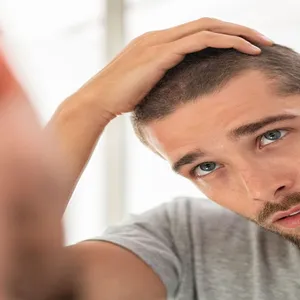
Hair transplant procedures have gained immense popularity in recent years, offering a long-lasting solution to hair loss. However, alongside this rise in interest comes a flood of myths and misconceptions. These myths can create unnecessary fear and confusion for individuals considering the procedure. In this blog, we’ll separate fact from fiction, debunking some of the most common hair transplant myths to help you make an informed decision. Myth 1: Hair Transplants Are Only for Men Fact: Hair transplants are not exclusive to men. While male pattern baldness is a common reason for the procedure, women experiencing hair thinning, receding hairlines, or bald spots can also benefit from hair transplants. The treatment is personalized to suit the specific hair restoration needs of each individual, regardless of gender. Myth 2: Hair Transplants Produce Unnatural Results Fact: Thanks to advancements in hair transplant techniques, such as Follicular Unit Transplantation (FUT) and Follicular Unit Extraction (FUE), modern hair transplants produce highly natural-looking results. Skilled surgeons meticulously place the grafts to match the natural hairline and growth pattern, ensuring seamless integration with your existing hair. Myth 3: The Procedure Is Painful Fact: Hair transplants are performed under local anesthesia, making the procedure virtually painless. While some discomfort may be experienced during the healing process, it is typically mild and manageable with prescribed medications. Patients often compare the sensation to a mild sunburn rather than intense pain. Myth 4: Hair Transplants Are a Quick Fix Fact: Hair transplants are not an instant solution. The process requires time and patience. Transplanted hair may shed within the first few weeks as part of the natural growth cycle. New hair growth typically begins within 3–4 months, with full results visible after 12–18 months. Myth 5: Hair Transplants Are Only for Older People Fact: Age is not a deciding factor for hair transplant eligibility. The suitability of the procedure depends on the individual’s hair loss pattern, donor area quality, and overall health. Many younger individuals opt for hair transplants to address early signs of hair loss and restore their confidence. Myth 6: Transplanted Hair Requires Special Maintenance Fact: Transplanted hair is your natural hair, and once it has fully grown, it does not require any special maintenance. You can treat it just like the rest of your hair—wash, cut, and style it as you normally would. Myth 7: Hair Transplants Can Stop Future Hair Loss Fact: While a hair transplant can restore lost hair in specific areas, it does not stop ongoing hair loss in non-transplanted areas. Many patients choose to combine the procedure with medications like Minoxidil or Finasteride to slow down or prevent further hair loss. Myth 8: The Results Are Temporary Fact: Hair transplants provide a permanent solution because the transplanted hair follicles are taken from the donor area, typically the back of the scalp, which is genetically resistant to hair loss. Once transplanted, these follicles continue to grow naturally for a lifetime. Myth 9: Hair Transplants Leave Visible Scars Fact: Modern hair transplant techniques, such as FUE, minimize scarring. In FUE, individual follicles are extracted, leaving tiny, barely visible dots that heal over time. Even in FUT, where a strip of scalp is removed, skilled surgeons ensure the scar is discreet and hidden under existing hair. Myth 10: Hair Transplants Are Too Expensive Fact: While hair transplants are an investment, the cost varies based on the extent of hair loss, the number of grafts needed, and the clinic’s expertise. Compared to the lifetime costs of temporary solutions like wigs, hairpieces, or continuous medication, hair transplants offer excellent value for a permanent solution. Why Choose Keva Hair Care for Your Hair Transplant? At Keva Hair Care in Coimbatore, we prioritize patient education and transparency. Our experienced team provides personalized consultations to address your concerns and debunk myths, ensuring you feel confident in your decision. With advanced techniques and state-of-the-art facilities, we deliver natural-looking, long-lasting results. Conclusion Hair transplants are a safe, effective, and permanent solution for hair loss when performed by skilled professionals. By separating myths from facts, you can make an informed decision about your hair restoration journey. Trust Keva Hair Care to guide you every step of the way. Contact Us Today!Address: No 424K, 3rd Floor, Harmony Complex, Diwan Bahadur Rd, above ICICI Bank, above Pandiyan Medicals, R.S. Puram, Coimbatore, Tamil Nadu 641002.Phone: +91 95855 25905Website: https://kevahaircare.com Frequently Asked Questions What is the success rate of hair transplants at Keva Hair Care? Our hair transplant procedures have a high success rate, thanks to our skilled surgeons and advanced techniques. We aim to provide natural and long-lasting results. How long does it take to recover from a hair transplant? Recovery typically takes 7–10 days, but most patients can resume regular activities within a few days. We provide comprehensive post-care instructions to ensure smooth healing. Is a hair transplant permanent? Yes, hair transplants provide permanent results as the transplanted hair follicles are resistant to hair loss. However, maintaining healthy hair requires proper care. Are there any side effects of hair transplant procedures? Minor side effects such as swelling or redness may occur but subside within a few days. Our team ensures the procedure is safe and minimally invasive. How do I book a consultation at Keva Hair Care? You can book a consultation by calling us at +91 95855 25905 or visiting our website at https://kevahaircare.com. blog Related articles
Caring for Transplanted Hair: Detailed Advice for Recovery and Optimizing Growth
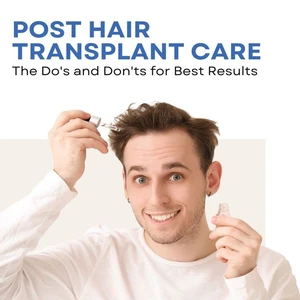
A hair transplant is a life-changing procedure that can restore not just your hair but also your confidence. However, the journey to achieving optimal results doesn’t end with the surgery. Proper care, patience, and a commitment to following recovery guidelines are essential to ensure the health of your transplanted hair and scalp. In this blog, we’ll provide detailed advice on how to care for your transplanted hair, manage the recovery process, and optimize hair growth for long-term success. Immediate Post-Transplant Care The first few days after your hair transplant are critical for the healing process. Here’s what you need to do: 1. Follow Your Surgeon’s Instructions Your surgeon will provide personalized aftercare guidelines. These instructions are tailored to your specific case and are crucial for avoiding complications and ensuring the best outcomes. 2. Protect the Grafts Avoid touching, scratching, or rubbing the transplanted area. Wear loose-fitting caps or hats if you need to protect your scalp from dust or sunlight. 3. Sleep Carefully Keep your head elevated using pillows or a recliner to minimize swelling. Avoid sleeping on your stomach to prevent pressure on the grafts. 4. Manage Swelling Swelling around the forehead or eyes is common after a transplant. Ice packs or prescribed medications can help alleviate discomfort. Washing and Cleaning 1. Wait Before Washing Do not wash your hair for at least 48–72 hours post-surgery, or as advised by your surgeon. 2. Use Gentle Products Use a mild, sulfate-free shampoo recommended by your clinic. Wash your hair gently using lukewarm water. 3. Pat Dry Avoid using a towel to rub your scalp. Instead, pat it dry with a soft, clean cloth. Activity Restrictions 1. Avoid Strenuous Activities Refrain from exercise, heavy lifting, or activities that cause sweating for at least two weeks. Avoid bending or lowering your head to reduce pressure on the scalp. 2. Protect from Sunlight Keep your scalp covered when outdoors to avoid direct exposure to sunlight. Use a hat or umbrella for protection, especially during the first month. 3. Avoid Smoking and Alcohol Both smoking and alcohol can hinder blood flow to the scalp, slowing down healing and hair growth. Avoid these for at least a month post-transplant. Managing Recovery 1. Understand the Shedding Phase It’s normal for transplanted hair to shed within the first few weeks. This process, known as “shock loss,” makes way for new growth and is a natural part of the cycle. 2. Manage Itching and Discomfort Use prescribed medications to alleviate itching. Avoid scratching, as it can dislodge grafts. 3. Look for Signs of Infection Watch for redness, swelling, or discharge in the transplant area. If you notice these symptoms, contact your surgeon immediately. Optimizing Hair Growth 1. Maintain a Healthy Diet A balanced diet rich in essential nutrients supports hair health and growth. Include: Proteins: Eggs, fish, and lean meat. Vitamins: Vitamin A, B7 (biotin), C, and E. Minerals: Iron, zinc, and magnesium. 2. Stay Hydrated Drinking enough water promotes healthy circulation and ensures nutrients reach your hair follicles. 3. Use Medications or Topical Treatments Minoxidil or finasteride may be recommended to enhance growth and reduce future hair loss. Always follow your surgeon’s advice when using these products. 4. Massage Your Scalp Once your scalp has healed, gentle massages can improve blood flow and stimulate hair follicles. 5. Avoid Harsh Hair Treatments Skip chemical treatments like coloring or straightening for at least six months. Limit the use of heat styling tools. Long-Term Care for Transplanted Hair Stick to a hair care routine with mild shampoos and nourishing conditioners. Schedule regular follow-ups with your surgeon to monitor progress and address concerns. Adopt stress-relief practices like meditation or yoga to prevent stress-induced hair loss. Why Choose Keva Hair Care for Your Hair Transplant Journey? At Keva Hair Care in Coimbatore, we offer world-class hair transplant services combined with personalized aftercare. Our team of experts ensures that you receive comprehensive guidance at every step of your hair restoration journey, from consultation to post-surgery follow-ups. Conclusion Proper post-transplant care is essential for successful recovery and long-term results. By following these detailed guidelines and maintaining a healthy lifestyle, you can optimize the growth of your transplanted hair and enjoy a fuller, natural-looking hairline. Trust Keva Hair Care to support you throughout this transformative journey. Contact Us Today!Address: No 424K, 3rd Floor, Harmony Complex, Diwan Bahadur Rd, above ICICI Bank, above Pandiyan Medicals, R.S. Puram, Coimbatore, Tamil Nadu 641002.Phone: +91 95855 25905Website: https://kevahaircare.com Frequently Asked Questions What is the success rate of hair transplants at Keva Hair Care? Our hair transplant procedures have a high success rate, thanks to our skilled surgeons and advanced techniques. We aim to provide natural and long-lasting results. How long does it take to recover from a hair transplant? Recovery typically takes 7–10 days, but most patients can resume regular activities within a few days. We provide comprehensive post-care instructions to ensure smooth healing. Is a hair transplant permanent? Yes, hair transplants provide permanent results as the transplanted hair follicles are resistant to hair loss. However, maintaining healthy hair requires proper care. Are there any side effects of hair transplant procedures? Minor side effects such as swelling or redness may occur but subside within a few days. Our team ensures the procedure is safe and minimally invasive. How do I book a consultation at Keva Hair Care? You can book a consultation by calling us at +91 95855 25905 or visiting our website at https://kevahaircare.com. blog Related articles
