
Laser Caps for Hair Growth — What Are They, and Do They Work?
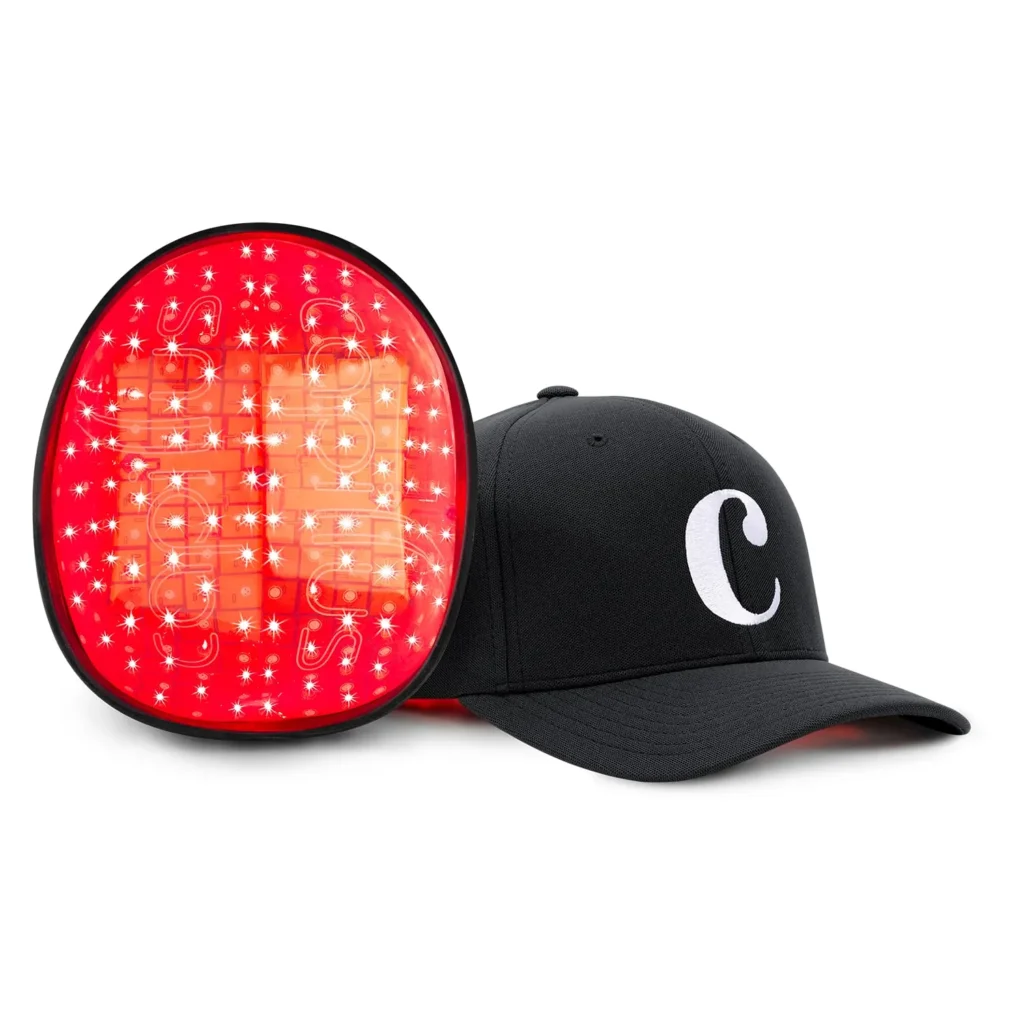
As you age, your appearance transforms — no surprise there. Many adults notice their hairline receding, thinning, balding, or shedding. Although hair loss doesn’t harm your health, it can quickly erode your self-esteem. Thankfully, there are several ways to reclaim it. Laser caps are one such innovation; they activate dormant hair follicles and rejuvenate your hairline. What are Laser Caps? Laser hair caps use low-level laser (light) therapy (LLLT) to promote hair growth. These systems don’t remove the skin like the intense lasers used in other cosmetic procedures and are thus non-ablative. However, consult with an expert at Keva Hair Care about whether getting a laser cap would be worthwhile. Here, we see what LLLT is and its effectiveness in treating patterned hair loss. During research in the 1960s, a Hungarian physician discovered that LLLT promoted hair growth in shaved areas of mice with no carcinogenic effects. Since then, LLLT has been used by both men and women to encourage hair growth. A study found that using a laser cap could boost hair growth by 37% across genders. These gadgets come in a variety of designs, but they mostly resemble baseball caps with laser diodes inside. Laser hair growth caps are equipped with hundreds of laser diodes designed to aim at your scalp from every direction. Laser treatment for hair regrowth can be offered as an alternative to drugs like minoxidil and finasteride. How Long Does it Take to Grow Hair with Laser Caps? Laser caps are ideal if you’re juggling a hectic 40-plus-hour work week. They resemble a regular cap, so you can wear one while commuting or unwinding. In just 15–30 minutes, dormant hair follicles are stimulated. Repeat the process 3 to 4 times a week for the best results. Everybody’s hair development process is unique. A laser cap, however, can speed things up in three key stages. The goal of the first phase, which lasts between four to eighteen weeks, is to reduce hair loss. The next stage typically lasts between 18 and 26 weeks. Here, the hair begins to grow thicker. Finally, in the third phase, which lasts for 26 to 52 weeks, you’ll start to notice new hair growth. Unlike other cosmetic procedures, this treatment has no downtime, making it suitable for any lifestyle. You can wear it discreetly without anyone noticing. Plus, for patients with low pain tolerance, this treatment is completely pain-free. The procedure is non-surgical and drug-free and improves blood circulation. However, the cap may be less effective if genetic factors like Androgenetic alopecia are present. Device quality is key, so ensure it operates at a wavelength of 650 nm for optimal results Keva Hair Care Address: No 424K 3rd Floor, Harmony Complex, Diwan Bahadur Rd, above ICICI Bank, above Pandiyan Medicals, R.S. Puram, Coimbatore, Tamil Nadu 641002 blog Related articles
Does Your Workout Routine Affect Your Hair Loss?

Adequate exercise is a key to a healthy lifestyle. It keeps your weight in check, gives you more energy, brightens your mood, and promotes restful sleep. But too much of a good thing can sometimes backfire, and your gym routine is no exception. While regular exercise is great for your overall health, including hair, pushing your body too hard can have opposite effects. Overtraining can lead to physical and mental stress, which might cause hair loss. You should know everything about your working out and its effect on your hair. Should I Stop Gym Workout to Save My Hair? The short answer is no — exercise itself won’t cause hair loss. However, neglecting and not taking proper care of your body while working out can lead to hair loss. The positive side is that hair loss due to bad exercise habits or techniques is usually temporary. How Exercising Causes Hair Loss? Are you chopping calories aggressively? While it can be effective for weight loss, nutrient deficiencies can occur if your exercise routine depletes your body’s nutrients. Your body will lack proper replenishment. The body prioritises vital functions on low fuel over non-essential ones like hair growth. Since hair growth isn’t crucial for survival, it often takes a backseat. When you exercise, sweat accumulates on your scalp, clogging your hair follicles. This can stop the follicles from producing normal, healthy hair strands. To prevent this, wash your hair and scalp after a workout. It cleans the follicles and promotes normal hair growth. Dihydrotestosterone (DHT) is an androgen produced from testosterone. Higher levels of DHT in the body can make hair thinner and more brittle. The hair strand lifecycle shortens, causing hair to fall out more quickly. When DHT circulates in the bloodstream, it sticks to hair follicle receptors, causing them to shrink. This shrinkage prevents the follicles from growing healthy hair. Conclusion Hair loss and thinning due to exercise are usually temporary. However, if you believe other culprits are behind your hair loss, get professional help. At Keva Hair Care, we specialise in treating all types of hair loss, no matter the cause. Moreover, all our treatments fit your needs, preferences, and wallet. Our expert doctors will perform a hair and scalp analysis and discuss various options to restore your full head of hair. Contact us today to schedule your hair analysis! Frequently Asked Questions Should athletes or active individuals worry about hair loss from exercise? No, any reasonable amount of exercise, including daily routines or training for events like a marathon, will not cause hair loss. Stay fit and in shape. It’s important for healthy hair, too. Can exercising stop Hairfall? While exercise can’t reverse baldness, it lowers stress levels and can accelerate common hair loss conditions like male and female pattern baldness. Intense stress or trauma may suddenly lead to the development of Alopecia Areata, an autoimmune disorder. How can a balanced diet benefit men experiencing hair loss? A balanced diet improves health and reduces stress and anxiety. It improves the scalp appearance. Foods rich in zinc, omega-3 fatty acids, and vitamin E may help the body grow hair more effectively. If you want to make your hair look great again, Keva Hair Care can help. We have the best treatments and give hope to many. blog Related articles
What Should We Know Before Getting a Haircut After a Hair Transplant?
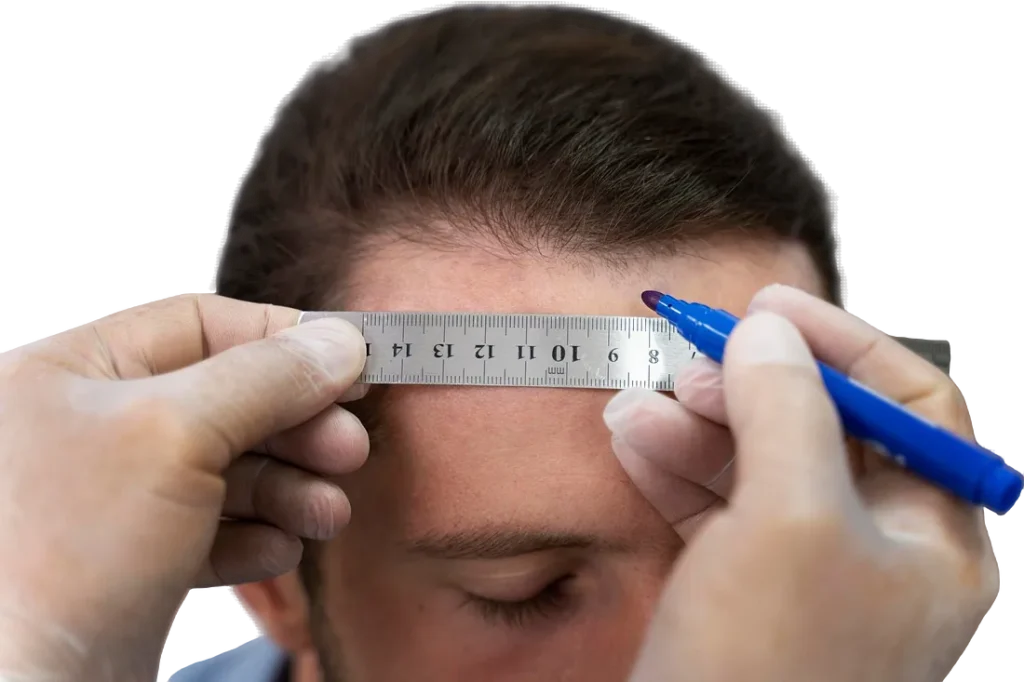
So you have just had a hair transplant and are urged to return to the barbershop. You shouldn’t feel that nervous about your first haircut after your procedure. Of course, it would seem like ages since you last set foot in that place. Be not concerned; we have some useful tips to lift all your anxieties, and your hair will be perfect. When Can You Get That Haircut? First, How long must you wait before you can get a haircut? The answer varies, making it extremely important to seek professional help from your doctor regarding the specifics. Generally, after getting treated with follicular unit extraction (FUE) or a similar hair restoration procedure, it’s recommended not to go for any hair-cutting session at the barbershop until after one month. During this time, your scalp would be healing and thus would be a little sensitive, like when you get a mild sunburn. Your doctor may prescribe special shampoo or treatments for you to help promote healing. So, be patient! You will probably want to wait until your scalp has returned to its baseline level of sensitivity before getting any haircuts. Do not forget to check in with your doctor before scheduling your first post-transplant haircut for them to clear you to return to normal grooming habits. Will the Barber Know What to Do? You’re probably wondering if your barber will know how to handle your newly transplanted hair. Good news: many barbers and stylists are familiar with working on hair that has been transplanted. Your scalp won’t look or feel much different after it heals, so you can style it just like before! If you’re feeling sensitive, don’t hesitate to let your barber know about your recent procedure. Most professionals are happy to accommodate and will take extra care to ensure your comfort during your haircut. Styling Your New Hair Once your hair grows nicely, you can style it however you like! Initially, a shorter haircut might be easier to manage, especially if you’re self-conscious about your new hair. If your hair is light, using products like mousse or volumising agents can help your hair look fuller and thicker. Don’t hesitate to ask your barber for their style and product opinions. They’re trained to give personalised advice considering your head shape, style preferences, and recent surgery. A Helping Hand If you’re still unsure about the best approach for your hair after the transplant, consider consulting a professional at Keva Hair Care. Our team specialise in hair restoration and can guide you through your options to ensure you get the best results possible. Final Thoughts Those initial visits to the barbershop will be nerve-wracking, and you will have your first few trips with hair fall, but the right amount of preparation and knowledge will give you that new look in no time! So just follow the doctor’s advice and be vocal with your barber; don’t be afraid to try out some new looks. After all, hair is the crown! Frequently Asked Questions Can you get a beard and hair transplant simultaneously? Patients interested in addressing thinning hair and poor facial hair growth should note that any grafts taken for one procedure will not be available for the other. You might need to prioritise whether you want a hair transplant or a beard transplant. What is not allowed after hair transplant? Avoid harsh products that can irritate your scalp and damage the grafts for at least the first week. Your scalp needs to heal from the surgical wounds. You should not use a hair dryer or other heat-styling tools for several weeks. This allows your scalp time to heal and the grafts to take hold fully. What can ruin a hair transplant? Common causes of implanted hair failure include improper techniques applied during the procedure and improper handling of implants. This means that the follicles might have been hurt or even killed during the operation and, therefore, cannot grow any new hair. Another cause of extreme hair loss after your procedure is ineffective aftercare. If you want to make your hair look great again, Keva Hair Care can help. We have the best treatments and give hope to many. blog Related articles
