
Exploring Emerging Technologies and Advancements in Hair Transplant Procedures

Hair loss is a common concern that affects millions of people worldwide. With advancements in medical technology, hair transplant procedures have evolved significantly over the years. Gone are the days of unnatural, noticeable hair transplants. Today, the focus is on making hair restoration as natural, efficient, and minimally invasive as possible. In this blog, we will explore the latest emerging technologies and advancements in hair transplant procedures that are shaping the future of hair restoration. 1. Robotic Hair Transplants: Precision and Automation Overview: Robotic technology has revolutionized various medical fields, and hair restoration is no exception. Robotic-assisted hair transplants, such as the ARTAS Robotic System, use advanced imaging and artificial intelligence to extract and transplant hair follicles with incredible precision. How It Works: The robotic system automates the follicle extraction process using a high-definition camera and a sophisticated algorithm to identify and select the healthiest hair follicles. It then uses a robotic arm to remove the follicle from the donor area and transplant it to the thinning or balding areas. Advantages: Precision and Accuracy: Robotic systems reduce the human error factor, ensuring a higher degree of accuracy in graft placement and follicle extraction. Faster Recovery: As robotic procedures are minimally invasive, patients tend to recover more quickly compared to traditional methods. Minimal Scarring: The automated process minimizes the damage to surrounding tissue, reducing scarring and ensuring a more natural-looking result. 2. Stem Cell and Hair Cloning Technology Overview: Stem cell therapy and hair cloning are groundbreaking advancements that hold the promise of transforming the hair restoration process. Stem cells have the ability to regenerate and repair tissues, including hair follicles. How It Works: In hair cloning, scientists extract healthy hair follicles from the patient, isolate stem cells from them, and cultivate new hair follicles in a laboratory. These new follicles can then be implanted into areas affected by hair loss. What’s Next: Currently, stem cell treatments are in the experimental stages, but as the technology matures, it may allow for an unlimited supply of new hair follicles, which could eliminate the need for donor hair. Advantages: Unlimited Hair Supply: Stem cell therapy could potentially create a virtually endless number of hair follicles, addressing the most severe cases of hair loss. Regeneration of Damaged Follicles: Stem cells can help regenerate damaged or dormant hair follicles, encouraging natural hair growth. Permanent Solution: Hair cloning has the potential to offer long-term, permanent solutions for hair loss. 3. Platelet-Rich Plasma (PRP) Therapy: Enhancing Growth Factors Overview: Platelet-Rich Plasma (PRP) therapy has become a popular non-surgical treatment for hair regrowth. The procedure involves extracting a patient’s blood, processing it to concentrate the platelets, and then injecting the plasma into the scalp to stimulate hair follicles. How It Works: PRP therapy stimulates hair growth by delivering growth factors directly to the scalp. These growth factors can help rejuvenate hair follicles, encourage dormant follicles to regrow hair, and improve the overall thickness and quality of existing hair. Emerging Trends: Advancements in PRP technology aim to increase the efficiency of platelet extraction and enhance the therapeutic benefits. The future of PRP therapy may involve using more sophisticated techniques to isolate specific proteins or growth factors that encourage hair regrowth. Advantages: Minimally Invasive: PRP therapy is a non-surgical, relatively quick treatment with little to no downtime. Natural Regrowth: As PRP uses the patient’s own blood, the risk of allergic reactions or rejection is eliminated. Enhances Transplant Results: PRP therapy can be used in conjunction with hair transplant surgery to improve graft survival rates and enhance overall hair growth. 4. AI-Driven Hair Restoration Planning Overview: Artificial Intelligence (AI) is making waves across numerous industries, and hair restoration is no exception. AI is being used to analyze hair loss patterns, recommend personalized treatments, and assist surgeons during procedures. How It Works: AI-powered systems can evaluate the patient’s scalp, analyze the health of their hair follicles, and predict the progression of hair loss. By using this data, AI can help surgeons plan the most effective treatment, from the number of grafts to the optimal areas for hair extraction. What’s Next: AI systems are expected to become more advanced, offering real-time data analysis during surgeries. AI may even automate graft placement, optimizing the distribution of hair follicles for the most natural look. Advantages: Personalized Treatment: AI allows for a more customized approach to hair restoration based on individual hair loss patterns. Faster and More Accurate Planning: AI can significantly reduce the time needed for treatment planning and improve the overall accuracy of the procedure. Better Results: AI can ensure that each follicle is placed in the most optimal position for natural-looking results. 5. Microneedling and Laser Therapy: Non-Invasive Hair Regrowth Overview: Microneedling and low-level laser therapy (LLLT) are non-surgical treatments that have gained popularity in recent years for promoting hair regrowth. Both techniques stimulate hair follicles to promote natural hair growth by enhancing blood flow and encouraging collagen production in the scalp. How It Works: Microneedling: Tiny needles are used to create micro-injuries in the scalp, which stimulates healing and promotes hair regrowth. Laser Therapy: Low-level lasers are applied to the scalp to increase blood flow and encourage the growth of hair follicles. Emerging Trends: The future of microneedling and laser therapy lies in their combination with other treatments like PRP or stem cell therapy. These combined treatments could provide a more effective solution to hair loss and speed up the recovery process. Advantages: Non-Surgical: Both treatments are non-invasive and require minimal downtime. Safe for All Hair Types: Microneedling and laser therapy are safe and effective for various hair types and stages of hair loss. Complementary Treatments: These therapies can be used alongside hair transplants to improve overall results. 6. Scalp Micropigmentation (SMP): The Art of Illusion Overview: Scalp Micropigmentation (SMP) is a cosmetic procedure that involves applying tiny, tattoo-like dots to the scalp to mimic the appearance of hair follicles. While it does not involve hair regrowth, it is an excellent option for individuals with thinning hair who want to achieve
Future Trends in Hair Transplant Technology: A Glimpse into the Next Era of Hair Restoration
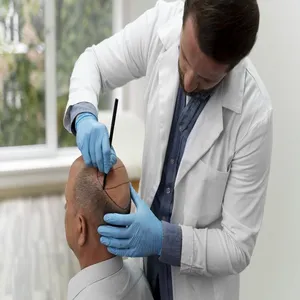
Hair restoration has come a long way in the past few decades. What was once considered a luxury for the wealthy is now accessible to many people struggling with hair loss. With advancements in technology and technique, the future of hair transplants promises to be even more groundbreaking. As we move toward more refined, precise, and patient-friendly procedures, several trends are poised to shape the future of hair restoration. In this blog, we’ll take a look at some of the most exciting developments in hair transplant technology. 1. Robotic Hair Transplants: Precision at Its Best Trend Overview: One of the most revolutionary advancements in hair transplant technology is the rise of robotic-assisted procedures. Robotic systems, such as the ARTAS Robotic System, have already made their mark in the field by improving the accuracy, speed, and effectiveness of hair transplant surgeries. What’s Next: In the future, we can expect even more refined robotic systems capable of performing Follicular Unit Extraction (FUE) with a level of precision that surpasses human ability. These systems will be able to automate hair follicle extraction, placement, and grafting with less human intervention, resulting in minimal scarring and faster recovery times. Benefits: Highly accurate follicle extraction without damaging surrounding hair. Reduced risk of human error. Faster procedures with minimal downtime. 2. Stem Cell and Hair Cloning Technology Trend Overview: Stem cell research has opened up new possibilities for hair regeneration. In the past, stem cell-based treatments have shown promise in stimulating dormant hair follicles and promoting regrowth in thinning areas. What’s Next: One of the most exciting possibilities is hair cloning, where scientists extract hair follicles from a patient, grow them in a lab, and then implant them back into the scalp. Although this technology is still in its experimental stages, it holds immense potential for creating a virtually unlimited supply of hair for transplant. Benefits: Potential for an endless supply of hair follicles. More natural and permanent results. Can address more extensive hair loss. 3. Platelet-Rich Plasma (PRP) Therapy: Enhanced Growth Factors Trend Overview: PRP therapy (Platelet-Rich Plasma therapy) has already gained popularity as a non-surgical method for stimulating hair growth. This involves drawing the patient’s blood, processing it to concentrate the platelets, and injecting it back into the scalp to encourage hair regrowth. What’s Next: In the future, PRP therapy will likely become even more effective, with advancements in the preparation and application of plasma. New technologies may allow for a more targeted and controlled release of growth factors, potentially enhancing hair regrowth and even improving the overall success of hair transplants when used in combination with traditional methods. Benefits: Non-surgical, with minimal downtime. Can improve hair transplant success. Stimulates natural hair growth. 4. Artificial Intelligence (AI) in Hair Restoration Trend Overview:Artificial intelligence (AI) is transforming a wide range of industries, and hair restoration is no exception. AI can now help in analyzing a patient’s scalp and hair characteristics, predict hair loss patterns, and recommend personalized treatment plans. What’s Next: In the future, AI could play a major role in both pre-operative planning and post-operative care. AI-driven algorithms will help surgeons make more precise decisions regarding the number of grafts required, the best donor areas for follicles, and even help monitor the healing process after surgery. Additionally, AI-powered apps might allow patients to track their progress and results over time, offering personalized care and advice. Benefits: More accurate treatment planning and graft placement. Personalized care based on individual characteristics. Enhanced post-operative monitoring and recovery. 5. 3D Printing for Hair Restoration Trend Overview: 3D printing technology has already revolutionized several industries, and it’s now making its way into the hair restoration field. In the future, 3D printing could be used to create custom hair implants or even 3D-printed scalp tissue for transplantation. What’s Next: As the technology develops, we may see 3D printers capable of creating hair follicles that perfectly match the patient’s natural hair texture and color. This could lead to highly personalized and seamless hair transplants, with results that are even more natural than what is possible today. Benefits: Personalized hair implants tailored to each patient’s needs. Seamless integration with natural hair. Potential for better graft survival rates and less rejection. 6. Non-Invasive Hair Restoration: Laser Therapy and Microneedling Trend Overview: Non-invasive treatments like laser therapy and microneedling have already shown potential in helping with hair regrowth. Laser therapy uses low-level lasers to stimulate hair follicles, while microneedling involves tiny needles creating micro-injuries in the scalp to trigger healing and hair growth. What’s Next: In the future, we can expect more advanced, targeted non-invasive treatments that are customized to each individual’s unique hair loss pattern. These therapies may be combined with other techniques such as PRP or stem cell injections to enhance results without the need for surgery. Benefits: Non-surgical and low-risk. Can complement other hair restoration treatments. Convenient and quick recovery. 7. Hair Restoration for Women: Focused Solutions Trend Overview: While hair restoration procedures have primarily focused on men, there is growing recognition of the need for specialized treatments for women. Women’s hair loss patterns differ from men’s, and treatments need to be tailored accordingly. What’s Next: In the future, there will likely be more advancements in hair transplant technology designed specifically for women. This includes techniques for tackling diffuse thinning and options for women with high-functioning hair follicles. Additionally, non-invasive treatments such as scalp micropigmentation could gain popularity as solutions to camouflage hair thinning in women. Benefits: Tailored treatments for women’s unique hair loss patterns. Less invasive options for women. Increased confidence for women struggling with hair loss. Conclusion: A Bright Future for Hair Restoration As we look toward the future of hair transplant technology, one thing is clear: the industry is on the brink of major breakthroughs. From robotic-assisted procedures to stem cell research and personalized AI treatments, the future promises to make hair restoration more effective, accessible, and less invasive than ever before. These advancements will not only benefit those suffering from hair loss but also pave the way